
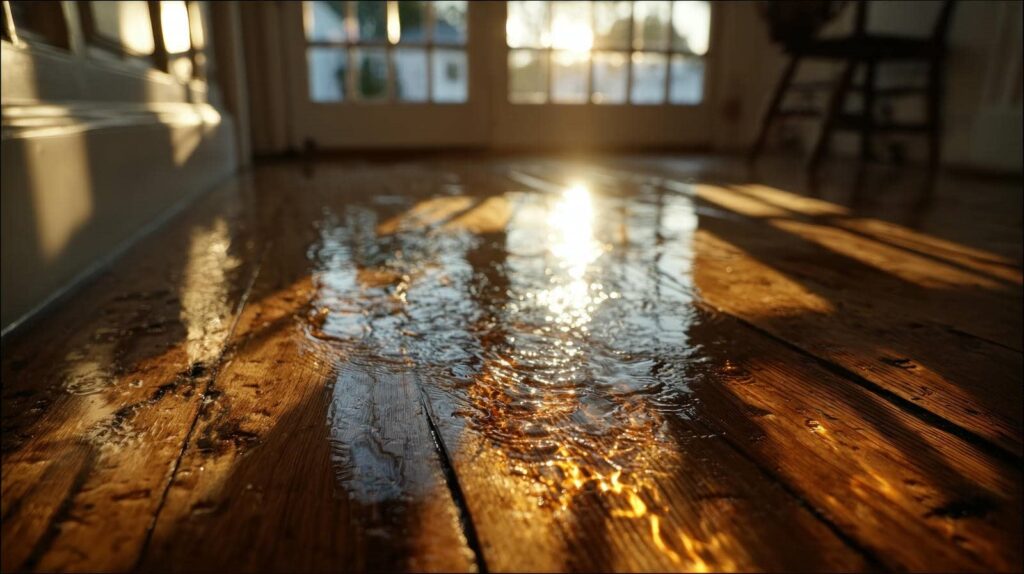
It’s a coincidence that many people underestimate the impact of water damage until they face it firsthand. When emergencies strike, using water removal equipment is essential to swiftly tackle the situation. Timely intervention minimizes damage and prevents long-term issues like mold growth. Understanding the specific needs of your environment and the right tools for the job can greatly influence the outcome. So, what exactly should you consider in these critical moments?
Key Takeaways
- Professional water removal equipment ensures rapid extraction, minimizing damage and preventing mold growth in emergency situations.
- Quick action with specialized tools reduces repair costs by preventing water from seeping into walls and belongings.
- Advanced equipment enhances efficiency, allowing for effective removal of standing water and reducing recovery time.
- Using proper equipment fosters a safer environment for operators and occupants by minimizing health hazards during water damage events.
- Timely water removal promotes a sense of security for occupants, ensuring their safety and protecting property.
Understanding Water Damage Types
When you encounter water damage, it’s essential to recognize the different types to effectively address the issue.
Flood damage typically results from external sources, like heavy rainfall or rising water levels, causing extensive harm to your property. On the other hand, damage due to leak detection often arises from internal sources, such as burst pipes or faulty appliances.
Each type requires distinct approaches for remediation. For flood damage, immediate evacuation and assessment are vital, while addressing leaks may involve repairing the source and drying out affected areas.
Understanding these differences helps you respond appropriately and fosters a sense of community among those who’ve faced similar challenges. Knowledge equips you to mitigate risks and support others in similar situations.
Importance of Timely Water Removal
Recognizing the type of water damage is only the first step; acting quickly to remove water is vital to prevent further complications.
Timely intervention is key in any emergency response situation. If you delay, the risks of mold growth, structural damage, and health hazards greatly increase. Water can seep into walls, floors, and belongings, escalating repair costs and creating an unsafe environment.
By prioritizing swift water removal, you protect your property and create a sense of security for yourself and your loved ones.
Benefits of Professional Water Removal Equipment
Using professional water removal equipment ensures rapid water extraction, greatly reducing the duration of exposure to damp conditions.
This quick action minimizes damage and helps prevent mold growth, which can pose serious health risks.
Rapid Water Extraction
Although water damage can escalate rapidly, employing professional water removal equipment ensures a swift and effective response.
In emergencies, such as floods, rapid water extraction is vital for minimizing damage and restoring safety. Advanced equipment, such as powerful pumps and industrial-grade dehumidifiers, ensures water is removed efficiently, enabling quicker recovery.
By integrating professional services into your emergency preparedness plan, you enhance your flood response capabilities and foster a sense of community support.
These professionals are trained to tackle large volumes of water, reducing the burden on you during an already stressful time.
Ultimately, using the right equipment can make a significant difference in the outcome of water-related emergencies, ensuring a safer environment for you and your loved ones.
Prevents Mold Growth
Effective water removal addresses immediate flooding concerns and plays a pivotal role in preventing long-term issues such as mold growth.
When you use professional water removal equipment, you ensure thorough moisture control, considerably reducing the risk of mold spores taking hold. Mold thrives in damp environments, and even a small amount of residual moisture can lead to extensive mold problems.
By prioritizing mold prevention, you’re not just safeguarding your property; you’re also protecting your health and well-being. Professional-grade equipment dries out affected areas efficiently, allowing you to restore your space quickly and effectively.
Investing in water removal equipment is about immediate relief while securing a safe, mold-free environment for you and your loved ones.
Key Features of Effective Water Extraction Tools
When you’re faced with a water-related emergency, having the right extraction tools can make all the difference in mitigating damage and restoring safety.
Effective water extraction tools should include powerful suction capabilities, allowing you to remove standing water quickly. Look for equipment designed with advanced water extraction techniques, as they enhance efficiency and reduce recovery time.
Durability is essential; tools should withstand harsh environments and regular use. Additionally, consider ease of equipment maintenance—tools that are simple to clean and service will ensure longevity and reliability.
Features like portability and adjustable settings can further enhance usability, making it easier for you to adapt to various situations.
Ultimately, these key features can empower you to respond effectively when it matters most.
Common Scenarios Requiring Water Removal Equipment
Water-related emergencies can arise unexpectedly, making it vital to be prepared for a variety of scenarios that necessitate the use of water removal equipment.
One common situation involves flooded basements, often caused by heavy rainfall or poor drainage. In these cases, quick action is essential to prevent mold growth and structural damage.
Another frequent scenario is the occurrence of burst pipes, which can lead to significant water accumulation in a short time. Identifying these issues early and employing effective water removal tools can save you from costly repairs and health hazards.
Being equipped with the right equipment ensures you’re ready to tackle these emergencies head-on, providing peace of mind for you and your loved ones during stressful times.
Safety Considerations During Water Removal
Handling water removal tasks can pose significant safety risks if proper precautions aren’t taken. To ensure your safety, start with thorough emergency preparedness.
Always wear protective gear like gloves and boots to shield against contaminants. Additionally, be aware of electrical hazards; never operate equipment in standing water without proper grounding.
Regular equipment maintenance is essential, too. Check hoses, pumps, and filters for any damage before use, as faulty equipment can lead to accidents.
Familiarize yourself with the equipment’s operation manual—knowing how to handle it safely can make all the difference.
Steps for Using Water Removal Equipment
When you encounter a water removal situation, the first step is to evaluate the scene to identify the source and extent of the water.
Once you’ve gathered the necessary information, you can operate the equipment effectively to remove the water.
Always remember to implement safety measures throughout the process to protect yourself and others.
Assessing the Situation
Before you begin using water removal equipment, it’s essential to thoroughly assess the situation to ensure safe and effective operation.
Start with an emergency assessment, identifying the source and extent of the water intrusion. Is it a burst pipe, flooding, or a leak?
Next, conduct a damage evaluation, noting affected areas and materials. This helps prioritize your efforts and ensures you focus on the most critical spots first.
Observe any potential hazards, such as electrical risks or structural instability, that could pose dangers during the removal process.
By taking these steps, you enhance the effectiveness of your response and create a safer environment for yourself and others involved.
Operating the Equipment
Start by familiarizing yourself with the specific water removal equipment you’ll be using, as each tool has unique features and operations.
Read the manual thoroughly to understand its functionalities. Before starting, check for any signs of wear or damage, adhering to essential equipment maintenance tips. This can prevent malfunctions during emergencies.
Next, verify you’ve undergone user training sessions to gain hands-on experience. Practicing with the equipment helps you operate it confidently when it counts.
Set up the equipment in the affected area, verifying proper placement for ideal water extraction. As you work, monitor the equipment’s performance, making adjustments as needed.
Following these steps will enhance your effectiveness and foster a sense of belonging within your team during emergencies.
Ensuring Safety Measures
Operating water removal equipment effectively requires a strong emphasis on safety measures to protect both the operator and the environment.
First, familiarize yourself with the equipment’s safety protocols; read manuals and guidelines to understand proper usage. Always wear personal protective equipment, like gloves and masks, to shield yourself from contaminants.
Verify the area is safe by checking for electrical hazards before starting. Maintain clear communication with your team; this fosters a sense of belonging and collective responsibility.
Regularly inspect the equipment to confirm it’s functioning correctly, as this is vital for emergency preparedness. Finally, keep a first aid kit nearby and know how to use it.
Prioritizing these steps ensures a safer, more effective water-removal process during emergencies.
Preventative Measures to Avoid Future Water Damage
Although water damage can strike unexpectedly, implementing preventative measures can greatly reduce your risk. Start by evaluating your home for potential vulnerabilities, like leaky pipes or poorly sealed windows.
Regularly inspect your roof and gutters to ensure proper drainage, as clogs can lead to severe water issues. Additionally, invest in moisture control techniques, such as dehumidifiers and ventilation systems, to keep humidity levels in check.
You should also consider installing sump pumps in basements to handle excess water more effectively. By proactively addressing these factors, you’re fostering a safer environment for your home and loved ones.
Choosing the Right Equipment for Your Needs
When water damage does occur, having the right equipment on hand can make all the difference in effectively managing the situation.
Selecting equipment tailored to your needs is essential. Consider the following factors:
Type of water damage: Assess if it’s clean water, greywater, or black water.
Water extraction techniques: Choose methods that suit the severity of the damage.
Size of the area affected: Verify the equipment can handle the volume of water.
Equipment maintenance: Regularly check and maintain your equipment to ensure it’s ready when you need it most.
Frequently Asked Questions
How Much Does Professional Water Removal Equipment Typically Cost?
Professional water removal equipment pricing can range from $100 to $500 per day. You might also consider equipment rental options, which can reduce costs considerably while still providing effective solutions for your emergency needs.
Can I Rent Water Removal Equipment Instead of Buying It?
Yes, you can rent water removal equipment instead of buying it. Many local stores offer various water rental options, allowing you to access high-quality equipment without the commitment. It’s a smart choice for temporary needs.
How Long Does It Take to Remove Water From a Flooded Area?
It typically takes several hours to days for water removal, depending on flood duration and removal efficiency. Faster equipment and techniques can greatly reduce time, ensuring your space is restored promptly and effectively.
What Should I Do if I Can’t Access Water Removal Equipment?
If you can’t access water removal equipment, consider using buckets or towels to manually remove water. In emergencies, prepare by identifying alternative solutions, like contacting local services or neighbors, and ensuring community support during crises.
Are There DIY Methods for Water Removal Without Professional Equipment?
Yes, you can use DIY techniques like towels, mops, or buckets to remove water. For emergency tips, prioritize ventilation and absorbent materials, ensuring you address the issue quickly to prevent further damage and mold growth.
Recap
In emergencies, using water removal equipment isn’t just a good idea; it’s vital for saving your home from turning into a mold-infested swamp! Acting quickly with professional tools can dramatically shorten recovery time and cut down repair costs. By understanding the types of water damage and the importance of timely intervention, you can make informed decisions that protect your property and ensure a safe environment. Don’t wait—equip yourself with the right tools and prevent disaster before it strikes!