
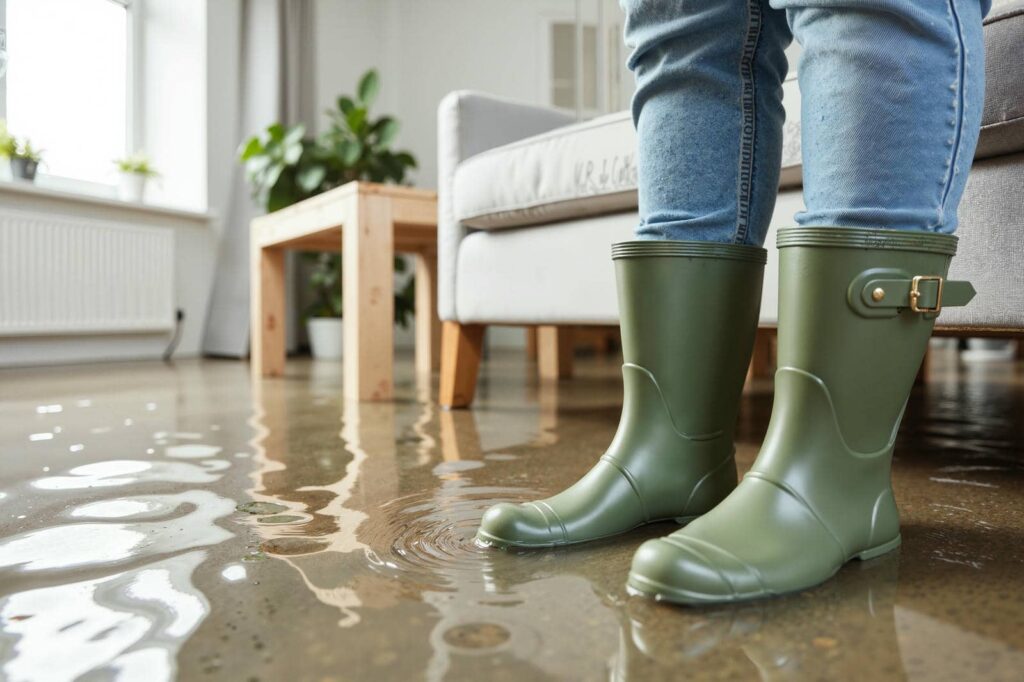
Imagine a homeowner returning to a flooded basement just hours after a storm. Without fast flood cleanup techniques, standing water can lead to mold growth within days, compromising health and property integrity. By acting swiftly, you can minimize damage and ensure safety. But what methods and tools are essential for effective water removal? Understanding these can make all the difference in a successful recovery process.
Key Takeaways
- Swift flood cleanup minimizes the risk of mold growth, protecting health and property.
- Rapid water extraction reduces structural damage, preserving the integrity of buildings.
- Quick action limits overall losses, ensuring a more cost-effective restoration process.
- Efficient techniques allow for better assessment of damage, guiding effective cleanup strategies.
- Engaging professionals enhances the effectiveness of cleanup efforts with advanced tools and expertise.
The Importance of Swift Action in Flood Damage Restoration
When floodwaters recede, every moment counts in damage restoration. Your flood response must be immediate; delays can lead to mold growth and structural damage.
Rapid remediation is vital for limiting losses and guaranteeing a safe environment. Start by evaluating the damage and prioritizing areas with standing water. Use pumps and wet vacuums to remove water quickly, and maintain proper ventilation to dry affected spaces.
Engage professionals if necessary, as they possess advanced tools and expertise that can expedite recovery. Every second you hesitate increases the risk of further complications.
Key Techniques for Rapid Water Extraction
Two primary techniques for rapid water extraction can markedly reduce damage following a flood: pumping and vacuuming.
Employing effective water removal and extraction methods is essential in this urgent situation.
Here are four key techniques to take into account:
Submersible Pumps: Use these to remove large volumes of water quickly.
Wet/Dry Vacuums: Ideal for smaller areas, they efficiently extract remaining moisture.
Truck-Mounted Extractors: These powerful machines can expedite the process for extensive flooding.
Hydro-Pressure Equipment: This method enhances water removal from porous materials.
Choosing the Right Equipment for Fast Cleanup
Selecting the right equipment for fast cleanup is essential to minimizing damage after a flood. You need to identify effective equipment types that match your specific cleaning methods.
Start with powerful submersible pumps for quick water removal; they’ll greatly reduce standing water. Next, consider industrial-grade wet/dry vacuums to tackle residual moisture and debris.
For surfaces, use high-capacity air movers to expedite drying, preventing mold growth. Don’t forget personal protective gear to guarantee your safety while working.
Additionally, employing dehumidifiers aids in moisture control, creating a healthier environment. By choosing the appropriate tools, you’ll streamline the cleanup process and foster a sense of belonging in your community as you restore homes and lives after a flood.
Safety Precautions During Emergency Water Removal
Although speed is essential during emergency water removal, safety must always come first. You need to prioritize your well-being and follow established emergency response protocols.
Here are four vital safety precautions:
Wear personal protective equipment: Always use gloves, boots, and masks to shield yourself from contaminants.
Turn off electricity: Before entering the flooded area, make sure all power sources are disconnected to prevent electrical hazards.
Assess structural stability: Carefully check for any signs of damage before entering, as weakened structures can collapse.
Ventilate the area: Open windows and doors to reduce humidity and prevent mold growth, making a safer environment for yourself and others.
Assessing Damage to Inform Cleanup Strategies
As you begin cleanup, conduct an initial damage evaluation to understand the extent of the impact.
Identify affected areas quickly to target your resources effectively.
Prioritize your cleanup efforts by severity and potential health risks to ensure a swift recovery.
Initial Damage Evaluation
When floodwaters recede, the first step is to evaluate the damage thoroughly to guide your cleanup efforts effectively.
Conducting initial inspections is essential for an extensive damage assessment. Here’s how to proceed:
Inspect Structural Integrity: Check walls, floors, and ceilings for any signs of compromise.
Evaluate Electrical Systems: Verify wiring and outlets are safe to prevent hazards.
Assess Contents: Identify items that can be salvaged versus those that need disposal.
Document Everything: Take photos and notes for insurance claims and future reference.
This methodical approach helps you prioritize tasks, facilitating a faster, more organized cleanup.
Identify Affected Areas
After evaluating structural integrity and documenting initial damage, it’s essential to identify the areas most affected by the flood.
Begin by inspecting affected structures thoroughly, focusing on basements, walls, and floors where water accumulation is likely. Use moisture detection tools to pinpoint hidden pockets of dampness that could lead to mold growth.
Pay close attention to electrical systems and plumbing, as these may compromise safety if not addressed swiftly. Document findings meticulously to inform your cleanup strategy.
By quickly identifying these critical areas, you can prioritize efforts effectively, ensuring that your community feels safe and supported during the recovery process.
Accurate assessment now lays the foundation for a successful and efficient cleanup operation.
Prioritize Cleanup Efforts
Prioritizing cleanup efforts is critical to mitigating further damage and guaranteeing a swift recovery. By employing effective cleanup prioritization strategies, you can systematically address the most pressing issues.
Here’s how to assess damage and allocate resources efficiently:
Inspect Structural Integrity: Check for any immediate hazards that could compromise safety.
Identify Essential Utilities: Verify electricity, water, and gas lines are safe to use.
Target High-Value Items: Focus on salvaging critical belongings and important documents.
Assess Health Risks: Prioritize areas prone to mold or contamination to protect health.
The Role of Professional Services in Quick Flood Cleanup
While you may have the tools to handle minor water damage, professional services are essential for effective flood cleanup. Their emergency response teams act swiftly, minimizing further damage and ensuring your home is safe.
You’ll benefit from their professional expertise, which includes advanced equipment and techniques that far exceed what most individuals can access. These specialists assess the situation accurately, identifying hidden moisture that could lead to mold growth.
Relying on professionals means you’re not alone; you’re part of a community that prioritizes safety and restoration. Their quick action protects your property and gives you peace of mind during a chaotic time.
Don’t underestimate the value of having experienced hands on your side when facing flood damage.
Long-Term Benefits of Fast Flood Cleanup Techniques
Swift action in flood cleanup fosters resilience and safeguards your property against future threats.
By acting quickly, you mitigate immediate damage and reveal long-term benefits that enhance your property’s value and longevity.
Here’s how:
Long Term Savings: Reducing repair costs through rapid intervention.
Property Preservation: Preventing mold growth and structural damage.
Increased Safety: Lowering health risks associated with water damage.
Enhanced Home Value: Maintaining your property’s appeal and marketability.
Frequently Asked Questions
How Can I Prepare My Home for Potential Flooding?
To prepare your home for potential flooding, implement flood-proofing strategies like elevating appliances and sealing entry points. Stock emergency supplies, including food, water, and first aid kits, to ensure you’re ready when disaster strikes.
What Should I Do Immediately After a Flood Occurs?
When the floodwaters rise, act fast. Ascertain flood safety by checking for hazards, gathering emergency supplies, and contacting authorities. Your prompt actions can make a world of difference in protecting your home and loved ones.
Can I Handle Flood Cleanup on My Own?
You can handle flood cleanup on your own, but prioritize flood safety. Use appropriate cleanup equipment like pumps and dehumidifiers to expedite the process. Team up with others for support and efficiency during this critical task.
How Long Does Flood Cleanup Typically Take?
Flood cleanup typically takes anywhere from a few days to several weeks, depending on the extent of flood damage. Your cleanup timeline will vary, so act quickly to minimize further issues and ensure a thorough restoration.
What Are the Costs Associated With Fast Flood Cleanup?
Fast flood cleanup costs vary based on factors like damage severity, equipment needed, and labor rates. You’ll need to take into account these cost factors while budgeting to ensure you’re prepared for potential financial impacts.
Recap
In the aftermath of a flood, swift action is your lifeline. By employing fast flood cleanup techniques, you mitigate damage and safeguard your health. With the right equipment and professional help, you can turn a chaotic situation into a manageable recovery process. Don’t let your home be a victim of lingering water; act fast, and you’ll emerge stronger, ensuring a safe environment for you and your loved ones. Time is of the essence—don’t wait.