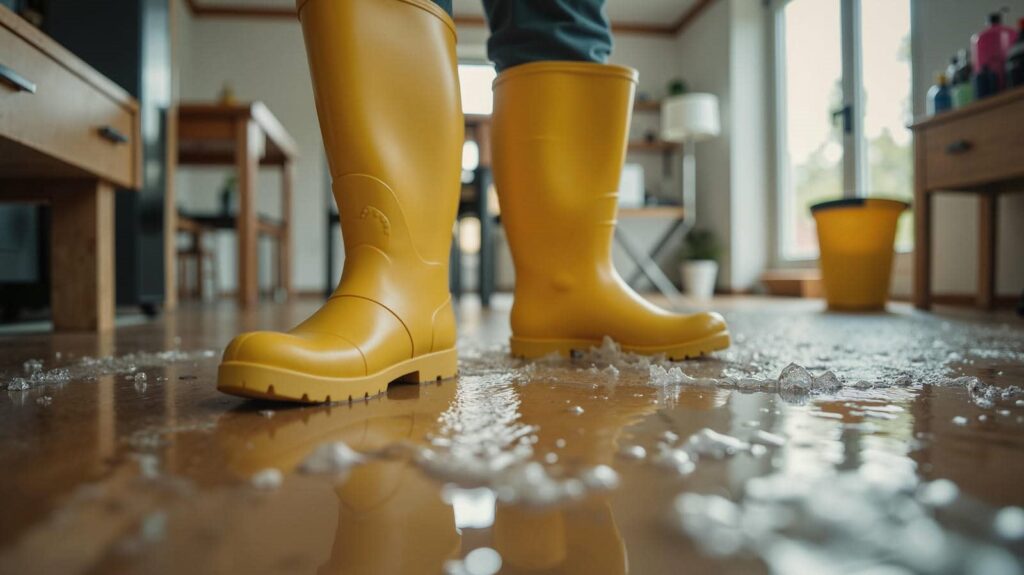
Flooding often introduces contaminated water into a property, making emergency sewage removal essential to protect health and prevent further damage. Quick action isn’t just about restoring order; it’s imperative for safeguarding public health and preventing long-term damage. Understanding the risks associated with sewage contamination is essential, especially when evaluating the steps needed to ensure a safe environment for affected communities. What are the key factors to assess in this process?
Key Takeaways
- Emergency sewage removal minimizes health risks by swiftly eliminating harmful pathogens and contaminants from floodwaters.
- Quick action prevents structural damage and reduces the potential for mold growth in affected areas.
- Timely cleanup enhances recovery efforts, allowing communities to restore normalcy and safety more efficiently.
- Utilizing specialized equipment ensures effective removal and decontamination, significantly reducing long-term health hazards.
- Delayed sewage removal can lead to costly repairs and increased health risks for residents, complicating recovery efforts.
Understanding the Risks of Sewage Contamination
When floodwaters rise, the risk of sewage contamination greatly increases, posing serious health hazards. You’re likely to encounter sewage pathogens, including bacteria and viruses, that can infiltrate your environment through various contamination sources.
These sources often include overflowing sewage systems, agricultural runoff, and malfunctioning septic tanks. Understanding how these pathogens spread is vital for protecting yourself and your community.
The presence of sewage threatens your health and compromises local water supplies. By recognizing the potential pathways of contamination, you can take proactive measures to limit exposure.
It’s essential to stay informed about these risks, as awareness fosters a sense of belonging and responsibility within your community, ensuring you’re prepared to act in the face of flooding emergencies.
Health Hazards Associated With Floodwater
Floodwater poses significant health risks due to its potential contamination with harmful pathogens and chemicals.
You should be aware that exposure to this water can lead to serious illnesses, and the environment can quickly become conducive to mold growth.
Understanding these hazards is essential for safeguarding your health after a flooding event.
Contaminated Water Risks
Contaminated water from flooding poses significant health risks that can have lasting effects on individuals and communities.
When floodwaters mix with sewage, you face numerous sewage exposure risks that can lead to serious health issues. It’s crucial to understand these dangers:
Pathogens: Bacteria and viruses can thrive in contaminated water sources, leading to infections.
Chemical Contaminants: Floodwaters may carry hazardous materials from industrial sites, posing toxic risks.
Waterborne Diseases: Illnesses like cholera and hepatitis A can spread through contact with contaminated water.
Long-Term Health Effects: Prolonged exposure can result in chronic health problems, including respiratory issues.
Taking immediate action to remove contaminated water is essential to protect both your health and your community’s well-being.
Mold Growth Potential
As moisture lingers in the aftermath of flooding, the potential for mold growth increases markedly, posing serious health hazards.
Various mold types thrive in damp environments, including black mold and Aspergillus, both of which can lead to respiratory issues and allergic reactions.
You need to act quickly to mitigate these risks.
Mold prevention is essential; ensure your home is thoroughly dried and dehumidified within 24 to 48 hours after flooding.
Regularly inspect areas prone to moisture, like basements and bathrooms.
If you find mold, don’t hesitate to seek professional help, as improper removal can spread spores and worsen the problem.
Prioritizing mold prevention protects your health and the well-being of your loved ones.
The Importance of Swift Action
When dealing with sewage removal after flooding, acting quickly is essential to minimizing health risks and property damage. A swift response protects your home and contributes to community safety.
Here are some swift response benefits to evaluate:
- Reduces the risk of harmful bacteria spreading
- Prevents structural damage to your property
- Minimizes the potential for mold growth
- Enhances recovery time for affected areas
The importance of timely intervention can’t be overstated. By addressing sewage issues promptly, you safeguard your health and foster a sense of belonging within your community.
Your proactive approach can inspire others to take action, creating a collective response to the challenges posed by flooding. Don’t underestimate the power of swift action.
Assessing the Damage After a Flood
After taking swift action to address sewage removal, the next step involves carefully evaluating the damage caused by flooding. A thorough damage assessment is vital to determine the extent of destruction to your property and belongings.
Start by inspecting structural elements, such as walls, floors, and foundations, looking for signs of water intrusion and mold. Don’t forget to evaluate electrical systems and plumbing for potential hazards.
Documenting these findings during your flood evaluation helps you understand the necessary repairs and informs insurance claims. Additionally, consider any personal items that may need restoration or replacement.
Professional Sewage Removal vs. DIY Methods
While you might consider tackling sewage removal on your own after a flood, the complexities involved often necessitate professional assistance.
Here’s why opting for skilled technicians with professional equipment is often the better choice:
Safety Concerns: Professional teams understand the health risks associated with sewage and flooding.
Specialized Knowledge: Skilled technicians can identify and mitigate potential hazards effectively.
Efficient Removal: Using professional equipment allows for quicker and more thorough sewage extraction.
Long-Term Solutions: Professionals can address underlying issues, reducing the likelihood of future problems.
Preventing Future Sewage Issues
To prevent future sewage issues, you’ll want to implement regular maintenance practices for your plumbing systems.
Additionally, ensuring proper drainage systems and installing effective water barriers can greatly mitigate flood risks.
Regular Maintenance Practices
Regular maintenance practices are essential for preventing future sewage issues, as neglecting them can lead to significant problems down the line.
Implementing preventive maintenance and conducting regular inspections can save you time, money, and stress.
Here are key practices to contemplate:
- Inspect sewer lines for blockages or wear.
- Clean grease traps and maintain proper disposal methods.
- Test sump pumps regularly to verify functionality.
- Monitor water usage to identify unusual spikes that may indicate leaks.
Proper Drainage Systems
Proper drainage systems play a pivotal role in managing wastewater and preventing potential sewage issues.
By investing in effective stormwater management practices, you can considerably reduce the risk of flooding and associated sewage backups.
Regular drainage improvement initiatives, such as upgrading pipes and optimizing grates, enhance the overall efficiency of your drainage network. This protects your property and fosters a sense of community resilience.
By ensuring that your drainage systems are well-maintained and capable of handling heavy rainfalls, you contribute to a healthier environment for everyone.
Effective Water Barriers
While implementing effective water barriers might seem like an additional expense, they’re essential in preventing future sewage issues and mitigating flood damage.
Waterproof barriers act as your first line of defense, safeguarding your property from overwhelming water flow.
Here’s what you should consider for effective flood prevention:
Material Quality: Choose durable materials that withstand extreme weather conditions.
Installation Techniques: Proper installation ensures maximum efficiency and longevity.
Regular Maintenance: Routine checks can help identify weaknesses before they become major problems.
Integrated Systems: Combine barriers with drainage solutions for thorough protection.
Tools and Equipment for Effective Cleanup
When facing the aftermath of flooding, having the right tools and equipment is crucial for effective sewage removal and cleanup. You’ll need specialized removal equipment, such as submersible pumps and industrial vacuums, to efficiently extract contaminated water.
High-powered pressure washers can help eliminate debris and residues, while wet-dry vacuums are essential for capturing remaining moisture. Additionally, using appropriate cleanup techniques, such as steam cleaning and sanitizing surfaces, ensures a thorough decontamination.
Don’t forget personal protective equipment (PPE) to safeguard yourself during the cleanup. Investing in these crucial tools accelerates the recovery process and ensures a safer environment for you and your community.
With the right resources, you can tackle the challenges of sewage removal confidently.
Safety Precautions During Sewage Removal
Ensuring safety during sewage removal is essential, as exposure to contaminated water poses serious health risks.
To protect yourself and others, follow these safety precautions:
Wear proper safety gear: Use gloves, boots, and masks designed to shield against hazardous materials.
Maintain personal hygiene: Wash your hands frequently and avoid touching your face to minimize contamination.
Work in well-ventilated areas: Ensure adequate airflow to disperse harmful fumes and reduce respiratory risks.
Avoid direct contact with sewage: Use tools and equipment to handle waste, minimizing exposure.
Long-term Effects of Delayed Sewage Cleanup
Delaying sewage cleanup after flooding can lead to severe long-term consequences for both property and health. When you postpone this critical task, you risk significant structural damage to your home, which can result in costly repairs and a prolonged recovery process.
Additionally, stagnant sewage becomes a breeding ground for harmful bacteria and mold, escalating health risks for you and your family. Prolonged exposure to contaminated environments can lead to respiratory issues, skin infections, and other serious ailments.
The longer you wait, the more entrenched these risks become, complicating recovery and rehabilitation efforts. Immediate action protects your property and safeguards the well-being of those you care about, fostering a healthier living environment for everyone involved.
Frequently Asked Questions
Can Sewage Removal Services Operate in All Weather Conditions?
Yes, sewage removal services can operate in various weather conditions, but extreme weather impacts efficiency and safety. You must ensure professionals prioritize sewage safety to prevent hazards and ensure effective removal during adverse conditions.
How Do I Choose a Reliable Sewage Removal Company?
To choose a reliable sewage removal company, you should check customer reviews and evaluate their service ensures. Look for consistent positive feedback and assurance of timely, effective solutions to ascertain that your needs are met efficiently.
What Should I Do if I Cannot Afford Professional Sewage Removal?
If you can’t afford professional sewage removal, tap into community resources or explore DIY solutions. Local organizations often provide assistance, while online guides can help you safely manage the cleanup and restore your space effectively.
Are There Insurance Options Covering Flood Sewage Removal Costs?
Yes, many insurance policies offer coverage for flood damage, including sewage removal costs. You should review your policy or consult with your provider to ensure you understand your insurance coverage and any applicable claims processes.
How Can I Support My Community After a Flood Event?
You can support your community after a flood by volunteering at local recovery centers, organizing donation drives, or helping neighbors with cleanup. Your efforts create a tapestry of resilience, weaving connections and fostering unity among residents.
Summary
In the aftermath of flooding, swift sewage removal isn’t just a chore; it’s essential for safeguarding public health and ensuring community recovery. Think of it like a smartphone: if you don’t update your software, glitches accumulate, causing bigger issues down the line. By acting quickly to remove contaminated water, you minimize health risks and structural damage, setting the stage for a safer environment. Remember, the longer you wait, the more complicated the cleanup becomes, so don’t delay.