
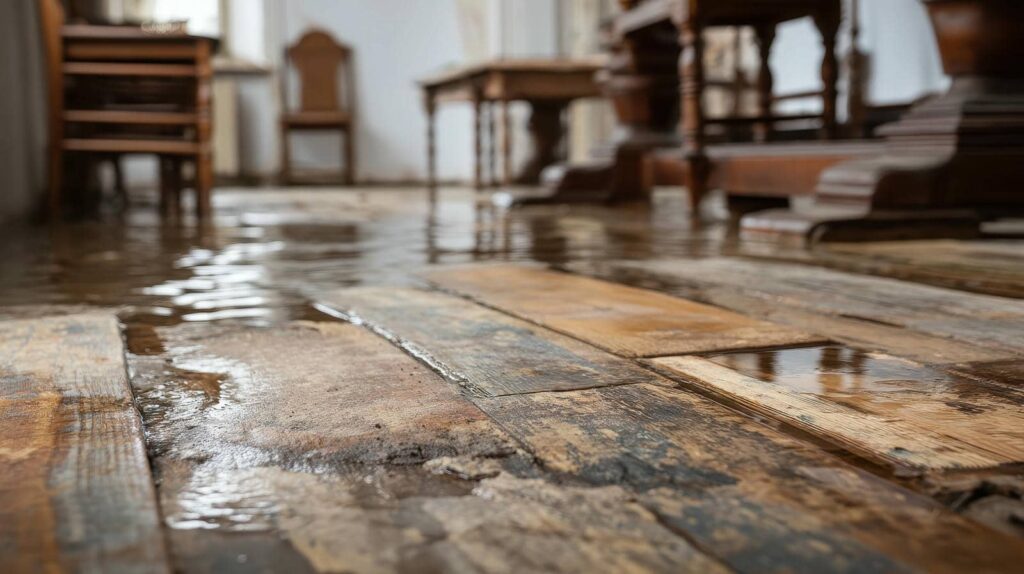
Ignoring flood restoration steps can lead to catastrophic consequences for your property and health. When you face water damage, it’s crucial to assess the extent of the damage thoroughly. However, you must also consider the potential hazards lurking in the aftermath. Understanding the proper techniques for water extraction and drying is essential to prevent further deterioration. So, what’s the best way to approach this complex process effectively?
Key Takeaways
- Following these steps ensures thorough documentation of damage, which is essential for a successful insurance claim process.
- Prioritizing safety protects individuals from potential hazards like unstable structures and contaminated water during the restoration.
- Effective water extraction techniques minimize further damage and prevent mold growth, safeguarding personal belongings and property.
- Proper drying and dehumidification control moisture levels, reducing the risk of long-term structural issues and health hazards.
- Coordinated repair and restoration processes restore the property efficiently while maintaining communication with insurance adjusters for optimal support.
Assessing the Damage
When you’re faced with flood damage, evaluating the situation is essential for effective restoration. Start by documenting the extent of the damage; this includes taking photographs and making notes on affected areas.
Prioritize structural elements, like walls and ceilings, and assess personal belongings for potential salvage. This thorough damage evaluation is significant for supporting insurance claims.
Contact your insurance provider promptly, as they’ll guide you through the process and may require specific documentation. Be honest about the damage you’ve encountered, as accurate reporting can expedite your claim.
Finally, compile all relevant documentation, including repair estimates and photographs, to ensure you’re prepared for discussions with your insurer. A clear, organized approach will aid in restoration and foster a sense of community support during recovery.
Ensuring Safety and Health
Before you begin any restoration work, ensuring safety and health is vital to prevent further risks. Start by evaluating the area for potential hazards, including unstable structures, contaminated water, and electrical issues.
Wear appropriate personal protective equipment (PPE), such as gloves, masks, and waterproof boots, to minimize health risks. Ensure proper ventilation to avoid mold growth, which can exacerbate respiratory problems.
Be mindful of chemicals in cleaning products and their safety data sheets. Always prioritize flood safety by shutting off utilities if necessary and avoiding contact with floodwaters, which may carry pathogens.
Water Extraction Techniques
Effective water extraction is essential in flood restoration, and several techniques can help you efficiently remove standing water from affected areas.
You’ll want to explore various water removal strategies, such as using submersible pumps for larger volumes and wet vacuums for smaller spaces. Advanced equipment like truck-mounted extractors can greatly speed up the process, ensuring you tackle water accumulation swiftly.
It’s vital to assess the area and select the right tools for the job, as this will enhance your efficiency and effectiveness. Additionally, employing thermal imaging can help identify hidden pockets of water.
Drying and Dehumidification
Once water extraction is complete, the focus shifts to drying and dehumidification to prevent further damage and mold growth. You’ll need to implement effective moisture control strategies.
Start by using high-powered fans to enhance air circulation throughout the affected areas. This helps evaporate residual moisture quickly.
Dehumidifiers are essential in this phase, as they extract moisture from the air, reducing humidity levels and accelerating the drying process.
Make certain to monitor humidity with a hygrometer to ensure it stays within safe limits. Regular checks will help you identify any stubborn damp spots that need extra attention.
Repair and Restoration Processes
After successfully drying and dehumidifying the affected areas, you can turn your attention to the critical repair and restoration processes.
Begin by evaluating the damage to walls, flooring, and structural components. Document everything for your flood insurance claim to ensure you capture detailed images and notes.
Next, prioritize repairs based on severity; structural integrity should come first. Replace damaged drywall, flooring, and insulation to prevent mold growth.
Coordinate with professionals to maintain an efficient restoration timeline, which minimizes disruption to your life. Regularly communicate with your insurance adjuster to verify all necessary repairs are covered.
Frequently Asked Questions
How Long Does the Flood Restoration Process Typically Take?
The flood restoration timeline typically spans from a few days to several weeks, depending on flood duration and damage severity. You’ll need to assess the situation thoroughly to establish an accurate restoration plan.
What Are the Costs Associated With Flood Restoration?
Flood restoration expenses can vary widely. You’ll encounter costs for water extraction, drying, mold remediation, and repairs. A detailed cost breakdown helps you budget effectively and ensures you’re prepared for the financial aspects of recovery.
Can I Handle Flood Restoration Myself?
You can handle flood restoration yourself if you follow essential flood cleanup tips and apply DIY restoration techniques. However, make sure you have the right tools, knowledge, and safety precautions to effectively manage the process and avoid further damage.
What Insurance Coverage Is Available for Flood Damage?
Flood insurance offers essential coverage options, protecting your home and belongings. It’s like having a safety net during turbulent storms. You should explore policies that suit your needs and ensure you’re adequately protected against potential flood damage.
How Can I Prevent Future Flooding in My Home?
To prevent future flooding in your home, install flood barriers and improve drainage systems. Regularly inspect these systems, clear blockages, and ensure proper grading around your property to redirect water away effectively.
Wrap-Up
By following these flood restoration steps, you’re not just salvaging your property; you’re safeguarding your health and future. Think of it as a roadmap to recovery, guiding you through a process that minimizes risks and hasty decisions. From evaluating damage to employing effective water extraction techniques, each step is essential. Remember, just like a well-oiled machine, every part of this restoration process works together to restore your space, ensuring you can get back to life as normal as possible.