
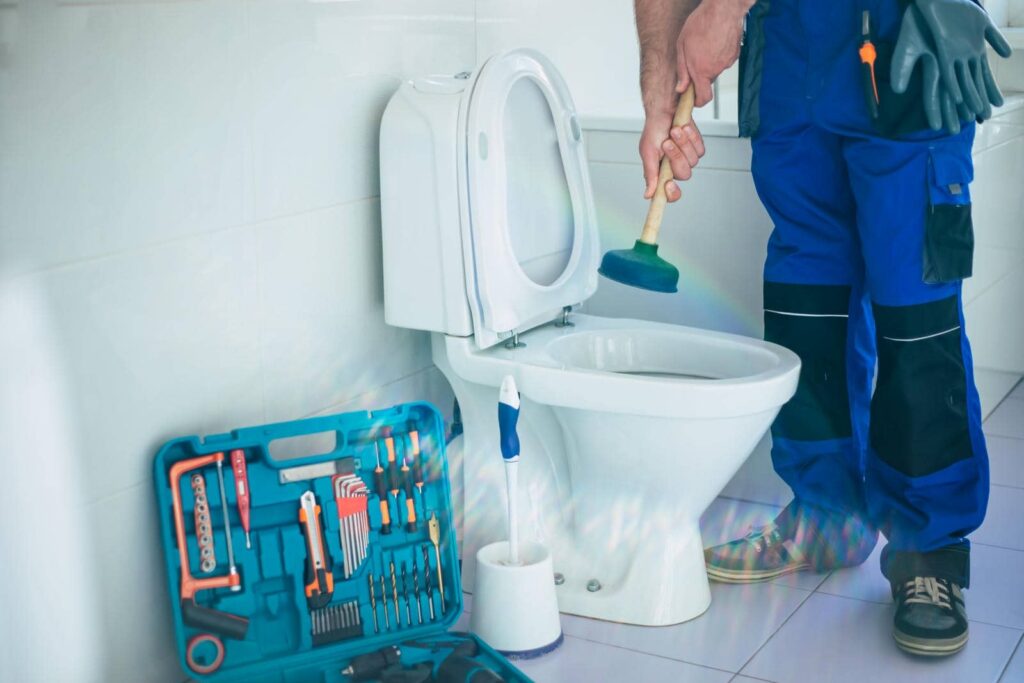
When faced with a sewage crisis, understanding the best sewage cleanup methods is essential. You need to assess the situation carefully, prioritize your safety, and contain the affected area. Each step requires precision and the right tools to prevent further contamination. As you navigate through the cleanup process, you’ll discover the importance of effective disinfecting techniques and the role of professional help. What might you overlook that could lead to future issues?
Key Takeaways
- Assess the situation and safety hazards before starting cleanup, ensuring proper PPE is worn and the area is well-ventilated.
- Contain the sewage spill by isolating the area and using barriers to prevent further contamination.
- Safely remove contaminated materials and use industrial vacuums to pump out liquid waste, following local disposal regulations.
- Clean affected surfaces with commercial-grade products and apply EPA-registered disinfectants to eliminate pathogens effectively.
- Seek professional assistance for severe contamination to ensure safety and proper handling of health risks associated with sewage.
Assessing the Situation
When you encounter a sewage spill, evaluating the situation is essential for effective cleanup and safety. Start by identifying sources of the spill to determine how it originated. This step is critical, as knowing whether it’s a broken pipe or a backup can influence your response strategy.
Next, examine the damage in the affected area. Look for visible signs of contamination, such as discoloration or odor, and evaluate the extent of the spread. Documenting these observations is important for reporting and future reference.
Depending on the severity, you may need to adjust your cleanup approach accordingly. By thoroughly identifying sources and examining damage, you can guarantee a more focused and efficient cleanup process, contributing to a sense of community safety and well-being.
Safety Precautions
After evaluating the situation, implementing safety precautions is essential to protect yourself and others during the sewage cleanup process.
Begin with a thorough risk assessment to identify potential hazards, such as exposure to harmful pathogens or chemicals. Equip yourself with personal protective equipment (PPE), including gloves, masks, and waterproof clothing, to minimize direct contact with contaminated materials.
Confirm the work area is well-ventilated to reduce inhalation risks. It’s vital to have a first aid kit on hand and know emergency procedures in case of exposure.
Communicate clearly with your team about assigned tasks and safety protocols, fostering a sense of belonging and shared responsibility.
Prioritizing safety guarantees a more effective and secure cleanup effort for everyone involved.
Containment of Sewage
When you face a sewage incident, your first step is to isolate the affected area to prevent further contamination.
Make certain you protect yourself and others from hazardous materials while setting up proper ventilation to mitigate harmful odors and airborne pathogens.
This containment strategy is essential for maintaining safety and facilitating effective cleanup.
Initial Area Isolation
To effectively manage sewage contamination, isolating the affected area is essential. Start by conducting sewage source identification to determine the origin of the leak or spill. This helps you understand the extent of the contamination and informs your cleanup strategy.
Next, implement area access control by restricting entry to the contaminated zone. Use barriers, signage, or personnel to guarantee that unauthorized individuals don’t inadvertently expose themselves to hazardous conditions. This proactive approach not only protects the health and safety of those around but also minimizes the risk of further spread.
Hazardous Material Protection
Implementing effective hazardous material protection is vital for containing sewage spills and preventing further environmental contamination. When you face a sewage incident, it’s important to recognize the potential hazards posed by hazardous materials involved.
Start by donning appropriate protective gear, including gloves, masks, and goggles, to safeguard yourself from harmful pathogens and chemicals. Utilize containment barriers, such as sandbags or absorbent materials, to isolate the spill area, minimizing the risk of spread.
Guarantee all affected surfaces are properly covered to prevent contact with contaminants. Regularly assess the containment measures for effectiveness, adjusting as needed.
Proper Ventilation Setup
Although proper ventilation may seem like a secondary concern during a sewage cleanup, it plays an essential role in ensuring safety and effectiveness.
Effective air circulation minimizes harmful odors and reduces the risk of airborne pathogens. To set up proper ventilation, consider these techniques:
- Open Windows and Doors: This encourages fresh air to flow in, diluting contaminants.
- Use Fans: Employ exhaust fans to push out stale air and bring in clean air, enhancing circulation.
- Air Purifiers: Invest in HEPA filters to capture fine particles and improve indoor air quality.
Removal of Contaminated Materials
When dealing with sewage cleanup, the removal of contaminated materials is critical to restoring safety and hygiene. You’ll need to identify and safely extract all affected items, including carpets, drywall, and furniture.
Use appropriate removal techniques to minimize exposure to harmful pathogens. Begin by sealing off the area to prevent further contamination. Wear personal protective equipment, such as gloves and masks, to safeguard yourself.
For solid waste, use shovels or specialized tools to scoop the debris into heavy-duty bags for disposal. Liquid waste should be pumped out using industrial vacuums designed for sewage.
Ascertain you follow local regulations regarding disposal to maintain community health standards. By effectively removing contaminated materials, you’re taking significant steps towards a safe environment.
Cleaning and Disinfecting Affected Areas
After safely removing contaminated materials, the next step involves cleaning and disinfecting the affected areas to eliminate any remaining pathogens. This process is vital for guaranteeing a safe environment.
Here are three essential actions to take:
- Use Appropriate Cleaning Products****: Select commercial-grade cleaning products specifically designed for sewage cleanup. These products effectively break down contaminants.
- Thoroughly Clean Surfaces: Scrub all affected surfaces with soap and water to remove any visible debris. Pay special attention to porous materials, as they can harbor bacteria.
- Disinfecting Surfaces: After cleaning, apply an EPA-registered disinfectant to guarantee all pathogens are eradicated. Follow the manufacturer’s instructions for contact time to maximize effectiveness.
Drying and Dehumidifying
To guarantee a safe and healthy environment following sewage cleanup, drying and dehumidifying the affected areas is essential.
Effective drying techniques, such as air movers and fans, help evaporate moisture quickly, reducing the risk of mold growth and structural damage.
Combine these with dehumidifying equipment, like industrial dehumidifiers, to maintain ideal humidity levels.
These devices extract moisture from the air, ensuring that the drying process is efficient and thorough.
Monitor humidity levels closely during this phase; aim for levels below 50% to inhibit mold spores.
By employing these methods, you create a safer living space and protect your property from long-term damage.
Prioritize these steps for a complete recovery and a healthier environment for everyone involved.
Preventing Future Sewage Issues
To prevent future sewage issues, you need to prioritize regular maintenance checks of your plumbing system.
This proactive approach helps identify potential problems before they escalate.
Additionally, ensuring proper waste disposal practices can considerably reduce the risk of clogs and backups.
Regular Maintenance Checks
While regular maintenance checks might seem tedious, they’re essential for preventing future sewage issues. By adhering to a proactive approach with routine inspections and maintenance schedules, you can identify potential problems before they escalate.
Here are three key aspects to focus on:
- Inspect Pipes and Drains: Regularly check for leaks, clogs, or corrosion that could lead to backups.
- Evaluate Septic Systems: Confirm your septic system is operating efficiently and schedule pump-outs based on usage.
- Monitor Water Usage: Keep track of water consumption patterns to detect unusual spikes that may indicate leaks.
Proper Waste Disposal
Proper waste disposal plays an essential role in preventing future sewage issues. By implementing effective waste management practices, you can greatly reduce the risk of blockages and overflow.
Start by segregating waste at the source; verify recyclables, organics, and non-recyclables are properly sorted. This not only optimizes your waste stream but also minimizes the environmental impact of landfills.
Furthermore, educate your household on what can and can’t be flushed or disposed of down drains. Items like wipes, fats, and chemicals should never enter your sewage system.
Regularly composting organic waste can also enhance your waste management efforts. By taking these proactive steps, you contribute to a healthier community and safeguard your home against potential sewage problems.
Professional Assistance and When to Call an Expert
When faced with sewage contamination, recognizing the limits of your capabilities is crucial; not every situation can be effectively managed without professional intervention.
Understanding when to call sewage specialists can save you time, money, and health risks. Here are three scenarios where expert consultation is imperative:
- Severe Contamination: If the sewage spill is extensive, professionals possess specialized equipment for effective cleanup and disposal.
- Health Risks: When hazardous materials are involved, such as raw sewage, experts guarantee safety measures are in place.
- Structural Damage: If sewage has infiltrated walls or flooring, sewage specialists can assess and remediate potential long-term damage.
In these cases, engaging professionals isn’t just wise; it’s essential for your safety and peace of mind.
Frequently Asked Questions
How Can I Identify the Source of Sewage Backup?
To identify sewage backup sources, observe backup signs like slow drains or gurgling sounds. Investigate potential sewage causes, such as clogs, tree roots, or damaged pipes. Address these issues promptly to prevent further complications.
What Personal Protective Equipment Is Necessary for Cleanup?
When handling sewage, nearly 40% of professionals report injuries due to inadequate protective gear. You should wear gloves, masks, and boots, while following strict safety protocols to minimize exposure and guarantee your well-being during cleanup.
How Long Does It Take for Sewage to Dry Completely?
Sewage can take anywhere from several hours to days to dry completely, depending on drying factors like temperature, humidity, and airflow. Higher evaporation rates accelerate drying, while low humidity prolongs the process considerably.
Are There Any Home Remedies for Sewage Odors?
You’ll love the scent of sewage odor lingering in your home! For remedies, try vinegar, baking soda, or activated charcoal. These home remedies can effectively neutralize odors, making your space more pleasant and inviting.
Will Insurance Cover Sewage Cleanup Costs?
Insurance policies often cover sewage cleanup costs, but you’ll need to check your coverage limits. It’s crucial to review your policy details to guarantee you’re protected against potential financial burdens from sewage-related damages.
Wrap-Up
Effectively managing sewage cleanup demands a methodical approach to safeguard health and property. By evaluating the situation, prioritizing safety, and employing thorough cleaning techniques, you can tackle even the most overwhelming messes. Remember, prevention is key; regular maintenance can save you from future disasters that feel like a scene from a horror movie. When in doubt, don’t hesitate to call in professionals to guarantee the job is done right and your space is safe again.