
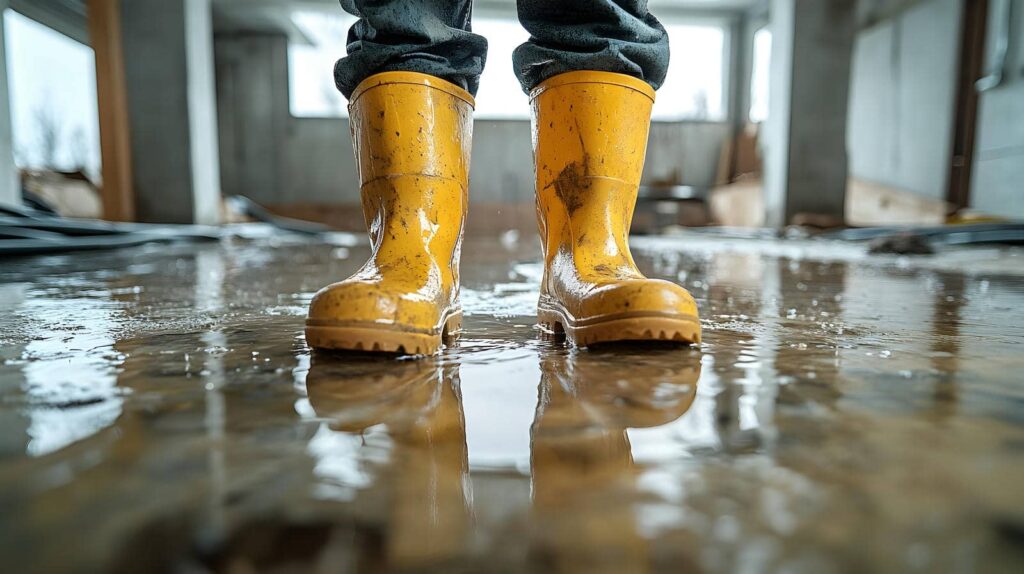
When a flood strikes, it can feel like a scene from a disaster movie, leaving chaos in its wake. The cleanup process is essential for restoring your home and peace of mind. It starts with evaluating the flood damage, ensuring nothing is overlooked. From there, you’ll discover the various techniques used to extract water and prevent further harm. Understanding each step can empower you to tackle this intimidating task effectively. What comes next might surprise you.
Key Takeaways
- Begin with a thorough assessment of the damage, documenting visible destruction and moisture levels using meters.
- Use industrial pumps for large water removal and wet vacuums for residual water extraction.
- Set up industrial fans and dehumidifiers to promote airflow and eliminate hidden moisture effectively.
- Clean and sanitize all affected areas to prevent contamination and mold growth, focusing on hard and soft surfaces.
- Prioritize restoration repairs, addressing structural elements and documenting everything for insurance claims.
Assessing the Damage
When you face the aftermath of a flood, evaluating the damage is essential for effective recovery. Start by conducting a thorough damage evaluation; this means documenting everything you see. Take photos of affected areas and jot down notes about the extent of destruction.
Next, focus on moisture examination. Check walls, floors, and belongings for dampness, as hidden moisture can lead to mold growth. Use a moisture meter to get accurate readings, ensuring you don’t overlook any problem spots.
Remember, you’re not alone in this process. Reach out to neighbors or local support groups; sharing experiences can provide comfort and guidance.
Water Extraction Techniques
After evaluating the damage, the next step is to tackle water extraction, a critical phase in restoring your home.
This process not only helps in preventing further damage but also fosters a sense of safety and belonging.
Here are some effective water extraction techniques you can consider:
- Pumping Equipment: Use industrial-grade pumps to remove large volumes of water quickly.
- Wet Vacuums: Employ wet vacuums for smaller areas or residual water, ensuring thorough extraction.
- Moisture Meters: Utilize moisture meters to assess the remaining moisture levels and guide your next steps.
- Sump Pumps: If applicable, install sump pumps to prevent future flooding issues.
Drying and Dehumidification
Once you’ve extracted the water, drying and dehumidification become essential to restoring your home to a safe and comfortable state.
Begin by setting up industrial fans and dehumidifiers to promote airflow and enhance moisture control. It’s important to monitor humidity levels regularly, adjusting your dehumidification techniques as needed to prevent mold growth.
Remember, the goal is to eliminate hidden moisture in walls, floors, and furniture. Focus on the areas most affected, ensuring you give each space the attention it deserves.
By taking these steps, you’re not just protecting your property; you’re also creating a welcoming environment for yourself and your loved ones.
With patience and care, you’ll reclaim your home and restore peace to your life.
Cleaning and Sanitizing Affected Areas
As you tackle the aftermath of flooding, cleaning and sanitizing affected areas is essential for both health and comfort. Neglecting this step can lead to mold growth and other health hazards.
Here’s a methodical approach to guarantee everything’s properly cleaned:
- Remove debris: Clear out any damaged items and materials to prevent contamination.
- Wash surfaces: Use soap and water on all affected surfaces before sanitizing.
- Sanitize surfaces: Apply a disinfectant to all hard surfaces, guaranteeing to follow the manufacturer’s instructions for effective disinfecting.
- Disinfect materials: For soft materials like upholstery, consider professional cleaning or replacement to ensure they’re free from contaminants.
Restoration and Repair Solutions
While steering through the emotional and physical toll of flood damage, it’s vital to focus on effective restoration and repair solutions that can help restore your space to its former state.
Start by evaluating the damage and prioritizing repairs to structural elements like walls and flooring. Address mold prevention right away drying out affected areas and using dehumidifiers can greatly reduce health risks.
Don’t forget to document everything for your insurance claims; this step is critical for a smooth reimbursement process. Work with professionals who understand your needs and can guide you through the complexities of restoration.
Frequently Asked Questions
How Long Does the Entire Flood Cleanup Process Typically Take?
The entire flood cleanup process usually takes one to three weeks, depending on cleanup timelines and restoration factors. You’ll feel more at ease knowing that thorough, methodical efforts can help restore your space effectively.
Do I Need to Notify My Insurance Company Immediately?
Yes, you should notify your insurance company immediately. Prompt notification helps start your insurance claim and guarantees you meet the notification timeline, allowing you to receive the support you need during this challenging time.
Can I Handle Flood Cleanup on My Own?
You can tackle flood cleanup yourself, but it’s like steering through a stormy sea. Consider DIY cleanup carefully; assess the damage first, then weigh your resources and safety. Sometimes, professional help can be your lifeboat.
What Personal Safety Precautions Should I Take During Cleanup?
During cleanup, wear safety gear like gloves and boots to protect yourself. Be aware of electrical hazards; turn off power before entering flooded areas. Your safety’s crucial, so take these precautions seriously to guarantee a secure environment.
Will My Property Be at Risk for Mold After Cleanup?
Yes, your property can still face mold risk after cleanup. By focusing on mold prevention and thoroughly drying any water damage, you can create a safer environment and protect your home from future issues.
To Sum Up
You might think tackling flood damage is overwhelming, but breaking it down into manageable steps makes it achievable. By carefully evaluating the damage, extracting water, and drying out your space, you can prevent further issues like mold. Cleaning and sanitizing areas is essential, and with the right restoration techniques, your home can be brought back to life. Remember, you’re not alone in this process taking it step by step guarantees a safe and comfortable return to your space.