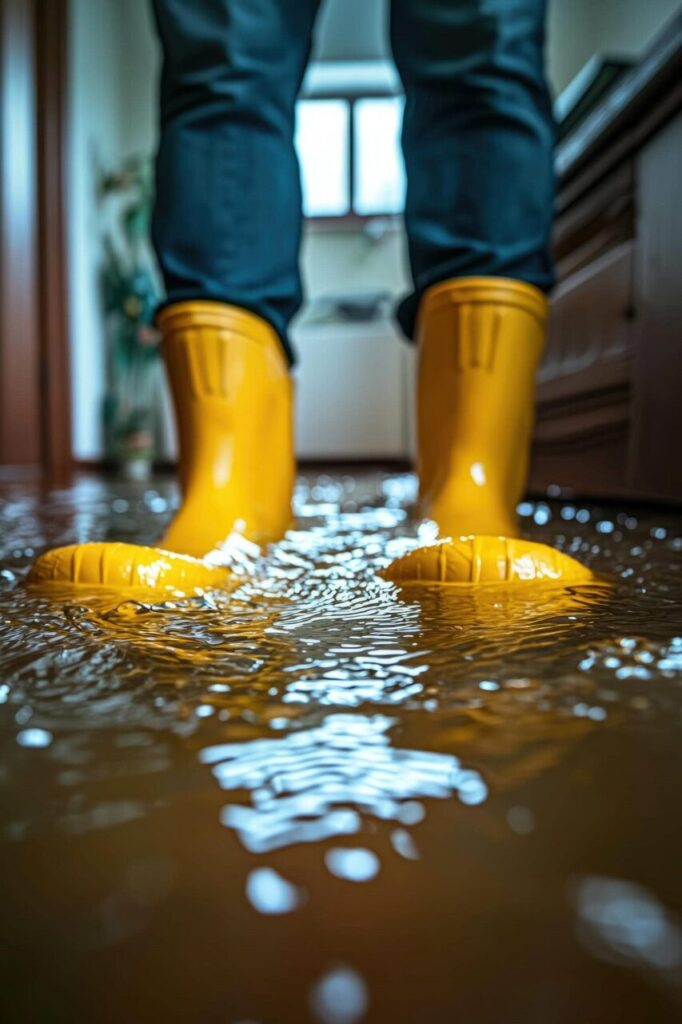
When faced with an emergency water removal situation, it’s vital to act quickly and employ the right techniques. Evaluating the damage is your first step to determine the best approach. Utilizing submersible pumps can effectively handle large volumes of water, while wet/dry vacuums provide immediate suction for smaller areas. But these initial actions are just the beginning; understanding how to manage moisture control is essential to prevent further complications.
Key Takeaways
- Conduct a thorough damage assessment to identify affected areas and prioritize water removal efforts effectively.
- Utilize submersible pumps for large volumes of water removal quickly and efficiently.
- Employ wet/dry vacuums for effective suction, especially in tight spaces and on various surfaces.
- Implement dehumidifiers to create a dry atmosphere and prevent mold growth during the drying process.
- Use air movers to accelerate drying and enhance moisture control after water extraction is complete.
Assessing the Water Damage Situation
When you encounter water damage, it’s essential to assess the situation quickly and accurately.
Start with a thorough damage assessment to identify affected areas and materials. Look for visible signs like discoloration, warping, or mold growth, as these indicate moisture presence.
Next, conduct a moisture evaluation using a moisture meter to measure levels in walls, flooring, and other materials. This step helps you determine the extent of damage and prioritize areas for remediation.
Don’t forget to check hidden spaces, as water can seep into places that aren’t immediately visible.
Utilizing Submersible Pumps
To effectively remove standing water from your property, utilizing submersible pumps is an essential step in the water extraction process.
These pumps offer several advantages, such as:
- High efficiency in large water volume removal
- Easy setup and portability
- Minimal noise during operation
- Ability to operate in deep water
- Durable design for prolonged use
To ensure peak performance, follow these pump maintenance tips: regularly check for debris, keep the power source dry, inspect the cord for wear, and clean the filter to prevent clogs.
Implementing Wet/Dry Vacuums
Implementing wet/dry vacuums can greatly enhance your water removal strategy, especially in areas where submersible pumps may not be practical.
These versatile machines come with essential wet/dry vacuum features, such as powerful suction and large capacity tanks, allowing you to tackle significant water accumulation efficiently. When choosing a vacuum, consider models with adjustable suction power for different surfaces.
To ensure peak performance, follow vacuum maintenance tips, such as regularly emptying the tank and cleaning the filters. This helps prolong the life of your equipment and maintains suction strength.
Additionally, familiarize yourself with the vacuum’s attachments, as they can make accessing tight spaces easier. By effectively utilizing wet/dry vacuums, you’ll feel more confident managing water emergencies.
Employing Dehumidifiers for Moisture Control
While water removal is essential, controlling the lingering moisture is just as important to prevent mold growth and structural damage.
Employing a dehumidifier can remarkably aid in moisture absorption, ensuring a healthier environment. When choosing a dehumidifier, consider its capacity to match your specific needs.
- Rapid moisture extraction to create a dry atmosphere
- Energy-efficient models that save on electricity
- Built-in hygrometers for precise humidity monitoring
- Continuous drainage options for hassle-free operation
- Quiet operation for unobtrusive use
Applying Water Extraction Tools and Techniques
When faced with water damage, utilizing effective water extraction tools and techniques is crucial for rapid recovery.
Start by evaluating the area and identifying the source of water. Use a wet/dry vacuum for immediate extraction, as it efficiently removes standing water. For larger spaces, consider submersible pumps, which can handle significant volumes quickly.
Apply extraction methods like carpet wands and extractors for upholstery and carpets, making sure you reach deep into the fibers.
After extraction, employing air movers accelerates drying, preventing mold growth. Always monitor moisture levels with a hygrometer to ensure thorough drying.
Frequently Asked Questions
What Should I Do Before Starting Water Removal?
Before starting water removal, identify the water source and stop it. Conduct a damage assessment to determine the extent of the problem. This ensures you address all issues effectively, preventing further complications and promoting safety.
How Can I Prevent Mold After Water Removal?
You’ll find mold prevention’s a breeze when you control moisture. Ensure proper ventilation, use dehumidifiers, and promptly address any leaks. It’s amazing how quickly a little diligence keeps your space mold-free and welcoming.
Are There Safety Precautions for Dealing With Electrical Hazards?
Yes, you should prioritize electrical safety by turning off power sources, using insulated tools, and maintaining hazard awareness. Always assume wires are live and keep your distance from water-logged areas to prevent electrical shock.
How Long Does It Take for a Space to Dry Completely?
It typically takes 24 to 48 hours for a space to dry completely, depending on drying factors like humidity and temperature. Using effective drying equipment can considerably speed up this process, ensuring efficient moisture removal.
Should I Contact Professionals or Handle Water Removal Myself?
You should weigh the cost comparison between professionals and DIY techniques. If you’re equipped and confident, tackle it yourself. Otherwise, calling experts ensures efficient removal and minimizes damage, keeping your space safe and sound.
Wrap-Up
In emergency water removal, quick and effective action is essential. Did you know that mold can start growing within just 24 to 48 hours after water exposure? By thoroughly evaluating the damage, utilizing submersible pumps, and implementing wet/dry vacuums, you can greatly minimize potential losses. Coupling these methods with dehumidifiers ensures moisture is controlled, preventing mold growth and promoting faster recovery. Remember, the sooner you act, the better your chances of restoring your space efficiently.