
When faced with such situations, knowing the right emergency water removal techniques can be essential. Utilizing sump pumps, wet/dry vacuums, and absorption methods can drastically reduce damage and prevent mold growth. Understanding how to effectively apply these techniques can make all the difference when you’re managing a water crisis. What’s the best approach for your specific scenario?
Key Takeaways
- Utilize a sump pump for automatic water removal in basements to prevent structural damage and mold growth.
- Employ a wet/dry vacuum for smaller water removal tasks, ensuring regular filter checks and tank emptying to avoid clogs.
- Apply absorbent materials like towels or specialized pads immediately to soak up excess water and prevent further moisture issues.
- Use dehumidifiers to extract moisture from the air, maintaining lower humidity levels for a safer environment.
- Seal affected areas post-drying and monitor humidity levels regularly to prevent future moisture problems.
Sump Pump Utilization
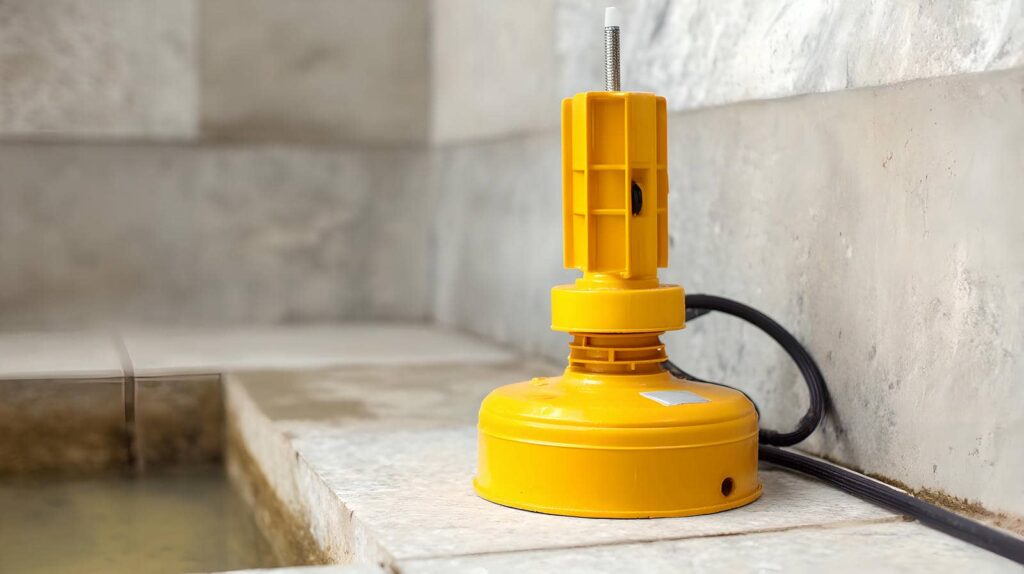
When water begins to accumulate in your basement or crawl space, using a sump pump can be your most effective solution for quick removal.
Sump pumps efficiently channel excess water away from your home, preventing structural damage and mold growth. They can operate automatically, ensuring you’re protected even when you’re not home.
To enjoy these sump pump benefits, regular sump pump maintenance is essential. Check the pump’s power source, inspect the discharge line for clogs, and test the float switch periodically.
Keeping the sump pit clean and ensuring proper sealing also enhances performance. By committing to these maintenance practices, you’ll prolong the life of your pump and safeguard your home against water-related issues, fostering a sense of community resilience.
Wet/Dry Vacuum Application
Although a sump pump is an effective solution for significant flooding, a wet/dry vacuum can be invaluable for smaller water removal tasks.
When using a wet/dry vacuum, choose the appropriate vacuum type based on the amount of water and debris involved. Start by ensuring the vacuum is properly assembled and plugged in. To maximize efficiency, create a systematic plan, working from the farthest point toward the exit.
Remember to follow maintenance tips by regularly checking the filter and emptying the tank to avoid clogs. After use, clean the vacuum thoroughly to prolong its life.
With a wet/dry vacuum, you’ll tackle water removal efficiently, creating a safer and drier environment for everyone in your space.
Absorption and Dehumidification Techniques
To effectively manage residual moisture after water removal, employing absorption and dehumidification techniques is essential.
These methods focus on moisture control, ensuring your space remains dry and safe. You should consider the following approaches:
Use absorbent materials: Employ towels, sponges, or specialized absorbent pads to soak up excess water.
Utilize dehumidifiers: These devices extract moisture from the air, maintaining lower humidity levels.
Enhance air circulation: Position fans strategically to promote airflow, which aids in drying surfaces faster.
Monitor humidity levels: Use hygrometers to track indoor humidity and ensure it stays within ideal ranges.
Seal affected areas: Once dried, sealing surfaces can prevent future moisture issues.
Implementing these techniques will help you achieve effective moisture control.
Frequently Asked Questions
How Do I Prevent Future Water Damage in My Home?
To prevent future water damage in your home, implement effective waterproofing solutions and install proper drainage systems. Regularly inspect these systems, ensuring they function correctly, which will greatly reduce your risk of water-related issues.
What Are the Signs of Mold Growth After Water Removal?
You’ll notice signs of mold growth, like musty odors or dark spots on surfaces, when moisture levels rise. Mold spores thrive in damp areas, so keep your environment dry to prevent further issues.
Can I Use Household Items for Emergency Water Removal?
Yes, you can use household items for emergency water removal. DIY solutions like towels, buckets, and fans serve as effective household hacks. Act swiftly to minimize damage, ensuring a thorough and methodical approach to water extraction.
How Long Does It Take for a Home to Dry Completely?
After a heavy rainstorm, your home’s drying process can take anywhere from a few days to weeks, depending on moisture levels and ventilation. Being patient is key to ensuring everything dries properly and thoroughly.
What Health Risks Are Associated With Standing Water?
Standing water poses significant health risks, including bacterial growth, mold development, and mosquito breeding. You’ll want to address these issues promptly to safeguard your home and family’s well-being, as prolonged exposure can lead to serious health complications.
Conclusion
In the battle against water damage, employing these three techniques is like wielding a trusty toolkit. Sump pumps stand ready to tackle the deluge, while wet/dry vacuums diligently sweep away the remnants. Meanwhile, absorption methods act as your first line of defense against mold, soaking up moisture like a sponge. By mastering these strategies, you’ll safeguard your space and restore peace of mind, ensuring your environment remains dry and secure in the face of adversity.