
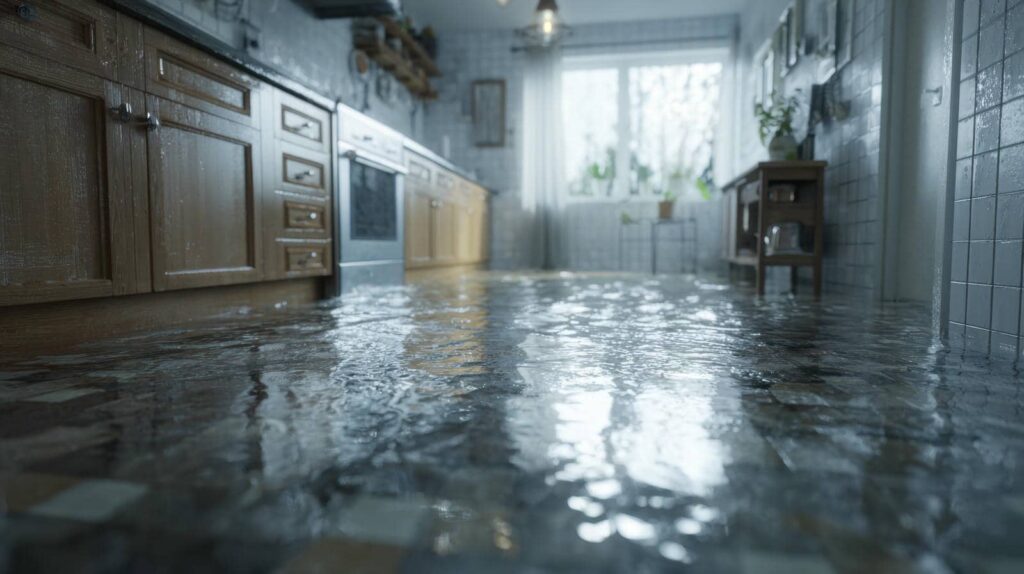
When faced with the unfortunate aftermath of flooding, it’s important to approach restoration with a clear plan. You’ll want to assess the flood damage and ensure your safety before diving into the recovery process. Each step, from removing water to repairing structures, plays an essential role in restoring your home. Understanding these steps can make a significant difference in your recovery journey, so let’s explore how to navigate this challenging situation effectively.
Key Takeaways
- Assess and document all damage with photographs and detailed notes for insurance and restoration planning.
- Prioritize safety by ensuring structural integrity and wearing protective gear before entering affected areas.
- Remove standing water promptly using pumps and wet/dry vacuums while promoting airflow to facilitate drying.
- Clean and sanitize all surfaces thoroughly, using appropriate disinfectants, to eliminate harmful bacteria and prevent mold growth.
- Conduct a final inspection to verify repairs, ensure safety, and reinforce vulnerable areas to prevent future flooding.
Assessing the Damage
When facing flood damage, the first step is determining the extent of the destruction.
Begin by documenting all affected areas and items. Take photographs and make detailed notes, as this damage evaluation will be essential for your insurance claims.
Evaluate the severity of water intrusion in your home, noting any structural damage, mold growth, or potential hazards.
Remember, you’re not alone in this; many people have faced similar challenges and understand the emotional toll it can take.
Reach out to professionals if needed, as they can provide guidance and support.
Ensuring Safety
Before you begin any restoration work, ensuring your safety and that of others in your home is essential.
You may have flood insurance, but your health is the highest priority.
Follow these steps for effective emergency preparedness:
Assess Structural Integrity: Check for any visible damage to the building’s structure before entering. If it looks compromised, stay outside.
Turn Off Utilities: Shut off gas, water, and electricity to prevent further hazards, especially if you smell gas or see exposed wires.
Wear Protective Gear: Use gloves, boots, and masks to shield yourself from contaminants and sharp objects in the floodwater.
Taking these precautions helps you and your loved ones stay safe during this trying time.
Water Removal Techniques
Once the safety of your environment is confirmed, it’s crucial to begin the water removal process as quickly as possible to mitigate further damage.
Start by employing effective pumping techniques to remove standing water. Submersible pumps are ideal for deeper water, while utility pumps are perfect for smaller areas.
Once the bulk of the water is gone, switch to vacuum methods, using a wet/dry vacuum to extract residual moisture from carpets, floors, and walls. Be thorough, as even small amounts of water can lead to mold growth.
Drying and Dehumidification
Once you’ve removed standing water, effective drying and dehumidification are essential to prevent further damage.
You’ll need to ensure proper airflow throughout the affected areas and choose the right dehumidifiers for your situation.
Regularly monitoring moisture levels will help you stay on track and ensure a thorough restoration.
Importance of Airflow
While you may focus on removing water from the affected areas, understanding the importance of airflow in the drying and dehumidification process is essential.
Proper airflow management can greatly speed up the restoration process and prevent mold growth. Here are three effective ventilation strategies you should consider:
Open Windows and Doors: Allow fresh air to circulate, which helps reduce humidity levels indoors.
Use Fans: Position fans strategically to promote cross-ventilation, directing moist air out and dry air in.
Employ Dehumidifiers: While we’ll discuss those later, pairing them with good airflow enhances their effectiveness.
Choosing Dehumidifiers Wisely
When dealing with flood damage, choosing the right dehumidifier can make all the difference in effectively drying out your space.
You’ll find various dehumidifier types, including refrigerant and desiccant models, each suited to specific conditions. Refrigerant dehumidifiers excel in warmer areas, while desiccant units work better in cooler, low-humidity spaces.
Pay attention to energy efficiency ratings: selecting an energy-efficient model reduces your electricity bill and minimizes your environmental footprint.
Verify the capacity of the dehumidifier matches the size of the affected area; oversizing or undersizing can hinder effectiveness.
Monitoring Moisture Levels
As you navigate the challenges of flood damage restoration, monitoring moisture levels is essential to ensuring effective drying and dehumidification.
Accurate moisture monitoring helps you identify problem areas and prevent further damage. Here are three key steps to guide your humidity assessment:
Use a Moisture Meter: Invest in a reliable moisture meter to measure the levels in walls, floors, and materials. This will help you pinpoint areas that need attention.
Regularly Check Humidity Levels: Keep track of indoor humidity, aiming for levels between 30-60% to promote effective drying.
Adjust Dehumidifiers Accordingly: Based on your readings, adjust the settings on your dehumidifiers to optimize performance and accelerate the drying process.
Cleaning and Sanitizing Affected Areas
Once you’ve addressed the immediate threats posed by floodwaters, it’s vital to focus on cleaning and sanitizing the affected areas to prevent health hazards and further damage.
Start by gathering the right cleaning supplies, such as brooms, mops, and disinfectants. Make certain you wear protective gear—gloves, masks, and boots—to keep yourself safe.
Begin by removing any debris and dirty water, then scrub surfaces with suitable cleaning agents. Use effective sanitizing techniques to eliminate harmful bacteria and viruses. Pay special attention to high-touch areas, like doorknobs and countertops.
After cleaning, ventilate the space to aid drying. This thorough approach restores your environment and fosters a sense of safety and belonging for you and your loved ones.
Mold Prevention and Remediation
Although floodwaters may have receded, the threat of mold growth looms if you don’t act swiftly.
Mold types vary, and understanding their lifecycle can help you prevent infestations that may compromise your home and health.
Here are three essential steps to take:
Dry out affected areas: Use fans and dehumidifiers to eliminate moisture and discourage mold growth.
Inspect for hidden mold: Check behind walls, under carpets, and in crawl spaces, as mold can thrive in concealed areas.
Use mold-resistant products: When restoring your home, opt for paints and materials designed to resist mold, ensuring a safer environment.
Repairing Structural Damage
After a flood, evaluating the structural integrity of your home is vital to ensure safety and stability.
You’ll need to address any water damage while also reinforcing weak areas to prevent future issues.
Let’s explore these essential steps to restore your home effectively.
Assessing Structural Integrity
Begin by thoroughly inspecting the affected areas of your property to assess the structural integrity post-flood. This vital step ensures safety and helps you understand the extent of the damage.
Consider focusing on the following:
Foundation Assessment: Check for cracks or shifting in the foundation, as these can indicate severe structural issues.
Load Bearing Evaluation: Identify any compromised load-bearing walls or beams, which are essential for maintaining the building’s stability.
Roof Inspection: Examine the roof for sagging or leaks that could lead to further complications.
Addressing Water Damage
Addressing water damage involves a systematic approach to repairing the structural harm caused by flooding. Start by identifying the affected areas, focusing on walls, floors, and ceilings.
Remove any damaged materials, as they can harbor mold and compromise safety. Make sure you document the damage for your insurance claims—this evidence is vital for receiving the support you need.
After removal, dry the space thoroughly to prevent further deterioration. Reinforce any weakened structures and replace materials with water-resistant options for better water damage prevention in the future.
Remember, addressing these issues promptly restores your home and fosters a sense of security and belonging in your living environment.
You’re not alone in this process; support is available to guide you.
Reinforcing Weak Areas
Once you’ve tackled the initial water damage, it’s important to turn your attention to reinforcing weak areas in your home.
Ensuring your space is structurally sound can help prevent future issues and give you peace of mind. Here are three key steps to take:
Install flood barriers: These can divert water away from vulnerable areas, reducing the risk of future flooding.
Assess and repair structural reinforcements: Check for weakened beams, walls, or foundations and address any concerns immediately to maintain stability.
Use water-resistant materials: When making repairs, opt for materials designed to withstand moisture, ensuring longevity and durability.
Taking these proactive steps protects your home and fosters a sense of security and belonging for you and your loved ones.
Documenting the Restoration Process
As you navigate the complex journey of flood damage restoration, documenting each step is essential for both accountability and clarity. Start by creating a detailed restoration timeline that outlines every task, from initial assessment to final repairs. This timeline helps you stay organized and provides a record of progress.
Be sure to take photographic evidence at key stages; these images serve as vital documentation for insurance claims and future reference. Capture the damage, repair efforts, and improvements made, ensuring you have an all-encompassing visual record.
Final Inspection and Follow-Up
After completing the restoration process, conducting a final inspection is essential to confirm that all repairs meet your expectations and address the damage effectively.
This final walkthrough allows you to ascertain that everything looks and functions as it should.
Here’s a helpful restoration checklist to guide you:
Inspect all repaired areas: Check for any signs of lingering moisture or damage.
Verify functionality: Test electrical systems, plumbing, and HVAC to confirm they’re working properly.
Confirm cleanliness: Verify that all debris is cleared, and surfaces are sanitized.
Taking the time for this final inspection assures you of quality work and helps foster peace of mind, knowing your home is safe and ready for you to return.
Frequently Asked Questions
What Should I Do Immediately After a Flood Occurs?
After a flood, prioritize safety precautions by securing your environment and avoiding hazards. Reach out to emergency contacts for assistance, and stay informed about local resources to restore your peace of mind and community connection.
How Can I Prevent Flood Damage in the Future?
To prevent future flooding, install flood barriers and ensure your landscape grading directs water away from your home. Stay proactive and protect your space.
What Insurance Coverage Is Necessary for Flood Damage?
You need flood insurance to protect your property. Explore various coverage options, including structure and contents protection, to ensure you’re adequately safeguarded. This way, you’ll feel secure knowing your investment is protected from potential flooding risks.
How Long Does the Restoration Process Typically Take?
The restoration timeline varies, but it usually takes several days to weeks. By employing efficient drying techniques, you can expedite the process, ensuring your home returns to normal as quickly and smoothly as possible.
Are There Any Government Assistance Programs for Flood Victims?
Yes, there are federal assistance programs and state programs available for flood victims. You can access resources like FEMA grants and local aid initiatives, which help you rebuild and recover from the devastating impacts of flooding.
Recap
After your epic battle against flood damage, you might feel like a superhero—cape optional. By following these steps, you’re not just restoring your home; you’re transforming it into a fortress against future floods. Remember, a little prevention goes a long way, so you won’t need to don that superhero cape again anytime soon. With meticulous care and attention, you’ll ensure your space is safe and a haven for years.