Did you know that nearly 50% of flood damage occurs within the first few hours? This statistic underscores the urgency of taking immediate water removal action when faced with flood water. Understanding effective removal techniques is essential to minimizing damage and ensuring safety for you and your property. By employing the right tools and methods, you can markedly improve recovery outcomes. Let’s explore how you can tackle this challenge head-on and restore your space effectively.
Key Takeaways
- Identify the water source to guide removal efforts and assess structural integrity for safety before beginning the removal process.
- Use water pumps for rapid extraction of large volumes of water, complemented by extraction vacuums for thorough cleaning.
- Employ moisture meters to detect hidden moisture and ensure all damp areas are addressed during the removal.
- Enhance drying efficiency with high-velocity fans and dehumidifiers, while monitoring humidity levels for optimal results.
- Follow up with surface disinfection using appropriate chemicals to eliminate pathogens and prevent mold growth after water removal.
Understanding the Impact of Flood Water
When floodwaters invade your property, they bring more than just physical damage; they introduce a host of potential health hazards and long-term structural issues.
The flood consequences can be devastating, affecting not only your home but also your well-being. Standing water often leads to water contamination, harboring harmful bacteria, viruses, and mold. These contaminants pose serious health risks, especially for vulnerable individuals, including children and the elderly.
As the water recedes, you might notice lingering odors or discoloration, indicating deeper issues that require immediate attention. Understanding these impacts is essential for effective recovery.
Safety Precautions Before Water Removal
Before you start removing flood water, it’s essential to prioritize your safety.
Equip yourself with appropriate personal protective equipment, such as gloves and boots, to prevent exposure to contaminants.
Additionally, make certain all electrical systems are shut off to eliminate the risk of shock or electrocution while working in flooded areas.
Personal Protective Equipment
As you prepare to tackle flood water removal, ensuring your safety should be your top priority.
Wearing the right protective gear and safety attire is vital for your well-being. Floodwaters can contain various hazards, so equip yourself accordingly.
Consider these essential items:
- Waterproof boots with slip-resistant soles
- Nitrile gloves for hand protection
- Goggles to shield your eyes from debris
- A sturdy mask to filter out contaminants
- A hard hat to guard against falling objects
Electrical Safety Measures
Given the hidden dangers lurking in floodwaters, ensuring electrical safety is essential before you begin any removal process.
First, unplug all electrical appliances and shut off the main power supply to your home to mitigate electrical hazards. Use a voltage tester to confirm that no current is flowing before you enter the area.
Establish safety protocols by wearing rubber-soled boots and gloves to protect against potential shocks. If water has reached electrical outlets or wiring, avoid contact and consult a professional electrician.
Assessing the Extent of Water Damage
To effectively assess water damage, you need to identify the source of the water first, as this will guide your next steps.
Once you’ve located the source, evaluate the structural integrity of your property, checking for any signs of compromise.
Finally, measuring moisture levels in various materials will help you understand the extent of the damage and determine the necessary remediation efforts.
Identifying Water Source
While you might feel overwhelmed by the aftermath of flooding, identifying the source of the water is essential for evaluating the extent of the damage.
Understanding where the water comes from helps in flood identification and determines the necessary steps for remediation.
Consider these common water sources:
- Rainfall: Excessive rain can overwhelm drainage systems.
- Groundwater: Rising water tables can seep into basements.
- Burst pipes: Plumbing failures can lead to significant indoor flooding.
- Overland flow: Water from nearby rivers or streams can breach property boundaries.
- Sewer backups: Blockages can lead to contaminated water entering your home.
Evaluating Structural Integrity
Once you’ve identified the source of the flooding, the next step involves evaluating the structural integrity of your property.
Start by conducting thorough structural assessments to identify any compromised areas. Look for signs of sagging, cracks in the walls, or warped floors, all of which may indicate serious damage.
Familiarize yourself with local building codes, as they’ll guide you in understanding the safety standards your property must meet. If you’re unsure, consult a professional who can provide expert insights.
Remember, ensuring your home’s structural soundness isn’t just about safety; it’s about creating a space where you and your loved ones feel secure.
Taking these steps now can help you reclaim your home and restore your peace of mind.
Measuring Moisture Levels
Accurate measurement of moisture levels is essential for evaluating the extent of water damage in your property. Using moisture meters allows you to pinpoint affected areas and assess humidity levels effectively.
This process not only helps in identifying hidden moisture but also guides your restoration efforts.
- Understand the types of moisture meters available (pin and pinless)
- Regularly check humidity levels in the air and materials
- Monitor moisture content in walls, floors, and furniture
- Document readings over time to track progress
- Consult professionals for thorough assessments if needed
Tools and Equipment for Effective Water Extraction
When dealing with flood water removal, having the right tools and equipment is vital for effective extraction and minimizing damage to your property.
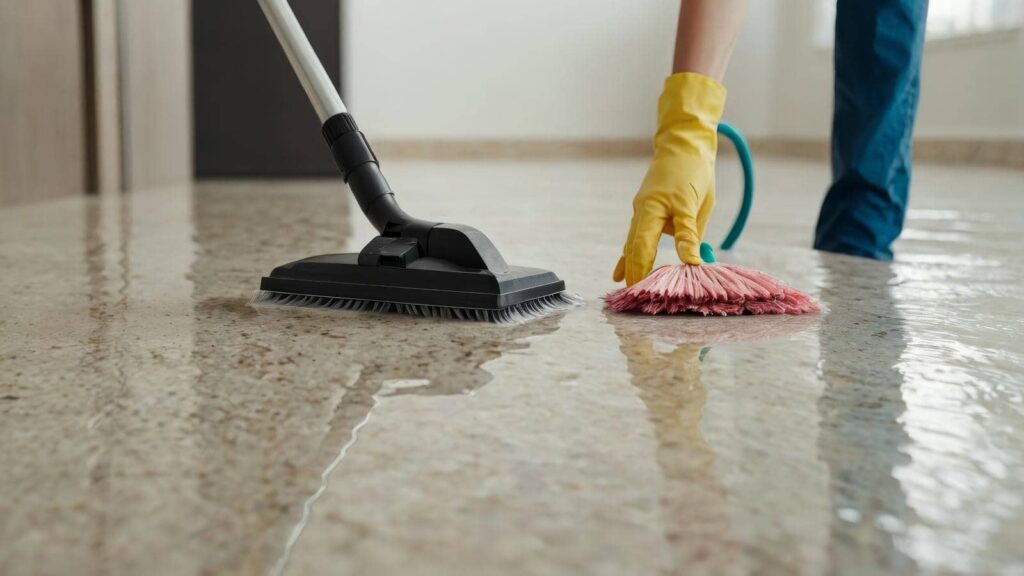
Start with water pumps to remove large volumes quickly, followed by extraction vacuums for thoroughness. Use moisture meters to assess damp areas, guaranteeing you target all problematic spots.
Once the water’s extracted, deploy drying fans and dehumidifiers to expedite the drying process. Pressure washers can help clean affected surfaces, while safety gear is important to protect yourself from hazards.
Finally, restoration kits, including mold inhibitors and cleaning agents, can make certain your home returns to its original state.
With the right tools, you’re not just restoring your property—you’re reclaiming your space.
Step-by-Step Guide to Removing Flood Water
Flood water removal requires a systematic approach to guarantee all water is effectively extracted and damage is minimized.
Start by ensuring proper flood water containment to prevent further spread.
Follow these steps for efficient water extraction methods:
- Assess the area and identify the source of water
- Use pumps or wet vacuums for initial extraction
- Remove damaged materials, such as carpets and drywall
- Set up dehumidifiers and fans for thorough drying
- Monitor humidity levels to prevent mold growth
The Role of Professional Water Damage Restoration Services
While tackling water damage on your own can seem manageable, professional water damage restoration services play an essential role in ensuring a thorough and effective recovery.
With their professional expertise, they assess the extent of the damage and implement targeted strategies that you may overlook. They use advanced equipment to expedite the drying process, considerably reducing the restoration timeline.
This not only prevents further damage but also mitigates potential health risks from mold and mildew. When you choose professionals, you’re not just getting a service; you’re gaining a partner who understands your situation and is committed to restoring your home.
Their empathy and support can make a world of difference during such a challenging time, helping you reclaim your space with confidence.
Techniques for Drying and Dehumidification
To effectively restore your space after water damage, understanding and applying the right drying and dehumidification techniques is essential.
You’ll want to employ effective dehumidification methods and drying equipment to guarantee your home returns to a safe, comfortable environment.
Here are some techniques to take into account:
- Use industrial-grade dehumidifiers to remove excess moisture.
- Implement air movers to enhance air circulation.
- Insulate and ventilate areas to promote natural drying.
- Monitor humidity levels with hygrometers to track progress.
- Seal off affected areas to prevent moisture from spreading.
Preventing Mold Growth After Water Removal
After removing flood water, it’s essential to implement timely drying techniques to minimize moisture levels in your space.
You’ll also need to focus on surface disinfection methods to eliminate any potential mold spores.
Timely Drying Techniques
Timely drying techniques are essential for preventing mold growth after water removal, and you must act quickly to mitigate damage.
Implementing efficient drying methods can save your home from further complications. Here are some key steps to follow:
- Use high-velocity fans to promote airflow.
- Set up dehumidifiers to extract moisture from the air.
- Open windows and doors to enhance ventilation.
- Remove soaked carpets and upholstery to facilitate drying.
- Monitor humidity levels regularly to guarantee efficient evaporation.
Surface Disinfection Methods
While drying surfaces is essential, effective disinfection is equally important in preventing mold growth after water removal. You’ll want to use chemical disinfectants to eliminate any lingering pathogens on surfaces.
Make sure you select a product suitable for the materials in your home, as improper usage can cause damage. Apply these disinfectants thoroughly, following the manufacturer’s instructions for dwell time.
Additionally, consider incorporating ultraviolet irradiation as a complementary method. UV light can effectively kill mold spores and bacteria on surfaces that are difficult to reach.
When you combine drying, chemical disinfectants, and UV irradiation, you create a thorough approach to safeguarding your environment from mold, fostering a healthier space for you and your loved ones.
Cleaning and Sanitizing Affected Areas
Cleaning and sanitizing affected areas is essential in preventing long-term damage and health risks after a flood. You’ll want to employ effective cleaning techniques and sanitization methods to guarantee your space is safe.
Start by removing any standing water and debris before moving on to deeper cleaning. Here are some key steps to follow:
- Use a mixture of water and detergent to scrub surfaces.
- Apply a disinfectant to eliminate harmful pathogens.
- Focus on high-touch areas, like doorknobs and light switches.
- Allow surfaces to dry completely to prevent mold growth.
- Dispose of contaminated materials responsibly.
Long-Term Solutions for Flood Prevention
After addressing immediate cleaning and sanitization needs following a flood, it’s important to look ahead and consider long-term solutions for preventing future flooding.
Implementing rainwater harvesting systems can greatly reduce runoff, allowing you to capture and reuse water, which alleviates pressure on drainage systems.
Additionally, adopting flood-resistant landscaping techniques, like choosing native plants and creating rain gardens, can help absorb excess water and redirect it away from your home.
These strategies not only protect your property but also foster a sense of community resilience.
By investing in these solutions, you’re not just safeguarding your home; you’re also contributing to a collective effort to create safer, more sustainable neighborhoods.
Together, we can build a future that’s better prepared for heavy rainfall.
Frequently Asked Questions
How Can I Tell if My Home Is Prone to Flooding?
To determine your home’s flood risk, look for warning signs like previous water damage, low-lying areas, proximity to water bodies, and local flood history. Assess these factors to protect your home and loved ones effectively.
What Insurance Covers Flood Damage Restoration?
You’ll want to check your flood insurance policy closely. Restoration coverage can vary greatly, and many standard homeowners’ policies don’t include it. Understanding your options now could save you from future financial distress.
Can I Remove Flood Water Without Professional Help?
Yes, you can remove flood water without professional help. Use DIY water extraction methods, but prioritize safety precautions. Wear protective gear, guarantee electrical safety, and assess structural stability to protect yourself and your home effectively.
How Long Does It Take to Fully Dry Out a Flooded Area?
Drying time for a flooded area typically ranges from a few days to several weeks, depending on moisture levels, ventilation, and temperature. You’ll want to monitor the environment closely to guarantee thorough drying.
What Are the Health Risks Associated With Flood Water?
Flood water poses serious health risks, including exposure to flood contaminants that can lead to waterborne illnesses. You’ve got to be cautious; even seemingly clean water can harbor harmful bacteria and viruses, affecting your well-being.
Wrap-Up
Effectively removing flood water is essential for minimizing damage and ensuring safety. Did you know that about 14,000 people experience a water damage emergency daily in the U.S.? By following the proper techniques and utilizing the right tools, you can greatly reduce the risk of mold growth and structural damage. Remember, taking swift action not only aids recovery but also protects your home and loved ones. Stay informed, prepared, and proactive in your flood response efforts.