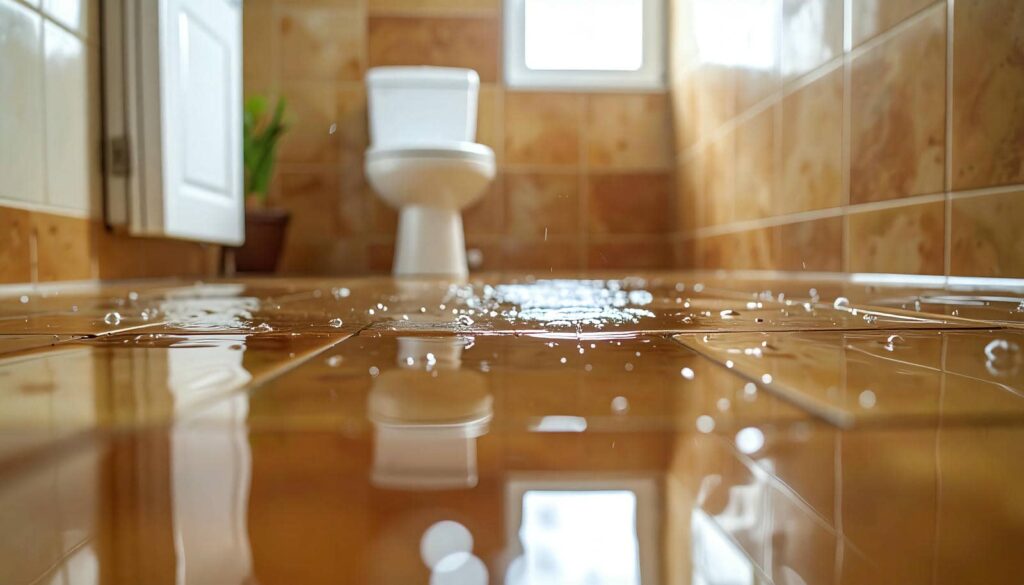
Many people underestimate the complexities involved in sewage cleanup after water damage. It’s not just about getting rid of the water; there are critical safety protocols and methods to follow to mitigate health risks. From evaluating damage to implementing preventive measures, each step is essential for effective restoration. Understanding these strategies can greatly influence the outcome of your cleanup efforts, leaving you better prepared for any future incidents.
Key Takeaways
- Conduct a thorough damage assessment to identify safety hazards and prioritize cleanup tasks effectively.
- Shut off utilities such as water and electricity to prevent further damage and ensure safety during the cleanup.
- Utilize professional-grade equipment like submersible pumps and industrial vacuums for efficient water extraction and pathogen removal.
- Implement disinfecting measures using antimicrobial solutions to sanitize affected areas and prevent health risks.
- Engage in regular maintenance checks and community education on water damage prevention and mold awareness to foster safety.
Assess the Damage and Safety Hazards
Before you engage in cleanup efforts, it’s essential to assess the damage and identify potential safety hazards.
Start by performing a thorough damage assessment of the affected area. Document the extent of water intrusion, structural integrity, and the condition of personal belongings. This evaluation informs the cleanup strategy and helps you prioritize tasks.
Next, conduct a safety evaluation. Check for electrical hazards, mold growth, and contaminated materials, as these can pose significant risks during cleanup. By identifying these hazards early, you can create a safer environment for yourself and others involved in the process.
Wear Protective Gear
When tackling sewage cleanup, wearing protective gear is non-negotiable for your safety. You need to equip yourself with appropriate protective clothing, including gloves, boots, and face masks, to minimize exposure to harmful pathogens and chemicals.
Verify your safety equipment meets industry standards for biohazard cleanup, as this will greatly reduce health risks during the process. Consider using waterproof coveralls for full-body protection, and don’t forget eye protection to guard against splashes.
Remember, your safety is paramount, and taking these precautions protects you and fosters a sense of belonging in your community as you demonstrate a commitment to responsible cleanup practices.
Prioritize your well-being before beginning any sewage removal efforts.
Shut Off Utilities
Before starting the cleanup process, you must first shut off utilities to prevent further hazards.
Locate the main shutoff valve for the water supply and verify it’s closed.
Next, turn off the electricity to avoid electrical shocks and other risks associated with flooded areas.
Locate Main Shutoff Valve
Locating the main shutoff valve is essential for minimizing damage during a sewage cleanup, as it allows you to quickly halt the flow of water and prevent further contamination.
Start by identifying the main valve location, which is typically found near where your water line enters the home, often in basements or crawl spaces.
Ensuring shutoff accessibility is vital; clear any obstacles that might impede access during an emergency.
Familiarize yourself with the valve’s operation, as some may require a wrench or can be turned by hand.
Remember, knowing the main shutoff valve’s exact position and how to operate it can save your property and safeguard your health when sewage issues arise.
Being prepared fosters a sense of community and support.
Turn Off Electricity
After locating the main shutoff valve, the next step involves turning off the electricity to minimize hazards during the sewage cleanup process. This action is vital for ensuring safety protocols are followed, as it greatly reduces the risk of electrical hazards.
Begin by locating your circuit breaker or fuse box, and switch off the main power supply. If you’re unsure, consider contacting a professional electrician to assist you.
Always wear insulated gloves and shoes while handling any electrical components in the vicinity of water. Following these steps protects you and creates a safer environment for any cleanup team involved.
Remove Standing Water
To effectively tackle sewage cleanup, you must prioritize removing standing water as it poses significant health risks and exacerbates damage.
Begin by evaluating the extent of the water accumulation and determining the best tools for standing water removal. Utilize submersible pumps or wet vacuums for efficient drainage, making sure you minimize exposure to contaminants.
If possible, create effective drainage paths to facilitate the removal process; this may involve clearing debris and redirecting water flow. Always wear protective gear to safeguard against hazardous materials.
Once the standing water is removed, make certain the area is well-ventilated to prevent mold growth.
Disinfect Affected Areas
Once you’ve removed standing water, the next step is to disinfect affected areas thoroughly to eliminate harmful pathogens and prevent future health risks.
Start by selecting appropriate disinfection techniques that align with the severity of contamination. Use antimicrobial solutions specifically designed for sewage cleanup, as these products effectively target bacteria, viruses, and fungi.
Make certain you cover all surfaces, including floors, walls, and any porous materials that may have absorbed contaminants. Apply the solution according to the manufacturer’s instructions, allowing adequate contact time to maximize effectiveness.
After disinfection, ventilate the area to promote drying and reduce lingering odors. This meticulous approach safeguards your health and fosters a sense of community responsibility in maintaining safe living environments.
Dry Out the Environment
To effectively dry out the environment after a sewage incident, you should utilize dehumidifiers to remove excess moisture from the air.
Increasing air circulation through fans can further enhance the drying process, preventing mold and mildew growth.
These strategies are critical for restoring a safe and sanitary environment.
Utilize Dehumidifiers Effectively
As the moisture from sewage spills lingers in the air and surfaces, utilizing dehumidifiers effectively becomes crucial for restoring a safe environment.
Start by selecting the right dehumidifier types based on the severity of the water damage. For small areas, portable units are suitable, while larger spaces may require industrial models for efficient moisture control.
Position the dehumidifiers strategically to maximize airflow and ensure peak performance. Monitor humidity levels regularly using a hygrometer to determine the dehumidifiers’ effectiveness, adjusting settings as necessary.
Additionally, empty the water collection tanks frequently to maintain functionality. By prioritizing effective dehumidification, you can appreciably reduce the risk of mold growth and create a healthier living space for everyone involved in the cleanup process.
Improve Air Circulation
Effective dehumidification sets the stage for improving air circulation, which is essential for drying out the environment after a sewage spill.
Implementing ventilation techniques, such as opening windows and utilizing exhaust fans, helps facilitate airflow and reduce humidity levels.
Strategic placement of air purifiers can further enhance air quality by filtering out contaminants and odors, making your space safer and more pleasant.
Ascertain that you create a cross-ventilation system by positioning fans to draw in fresh air while expelling stale air.
This accelerates the drying process and reduces the risk of mold growth.
Dispose of Contaminated Materials
Proper disposal of contaminated materials is essential in sewage cleanup to prevent further health hazards and environmental damage.
You must identify and segregate all contaminated materials, such as carpets, drywall, and furniture, ensuring they’re not mixed with regular trash.
Engage in proper contaminated material disposal by following local regulations for hazardous waste management.
It’s vital to use designated containers and transport these materials to approved disposal sites to minimize exposure to pathogens.
Document your disposal process to maintain compliance and protect your community.
By taking these steps, you contribute to a safer environment, fostering a sense of belonging and responsibility within your neighborhood.
Use Professional Equipment
After disposing of contaminated materials, the next step in sewage cleanup involves utilizing professional equipment to ensure complete decontamination and restoration of the affected area.
You’ll want to invest in high-grade hydraulic equipment, which enables efficient water extraction and surface cleaning. Industrial vacuums play an important role here, as they’re designed to handle hazardous waste and eliminate lingering pathogens.
By employing these specialized tools, you make certain that every corner is addressed, minimizing health risks and future complications.
It’s vital to work with trained professionals who know how to operate this equipment correctly, ensuring a clean and safe space for you and your community.
Trusting in professional-grade tools reflects your commitment to a thorough recovery.
Monitor for Mold Growth
Mold growth can quickly become a major concern following sewage cleanup, as moist environments are prime breeding grounds for spores.
To effectively monitor for mold, consider these steps:
Conduct Regular Mold Inspections: Schedule inspections to identify mold presence early, focusing on areas prone to moisture.
Utilize Moisture Meters: Use these devices to measure humidity levels, ensuring they remain within acceptable ranges. Elevated moisture can indicate potential mold growth.
Implement Mold Remediation Strategies: If mold is detected, act swiftly with professional remediation services to eliminate it and prevent future outbreaks.
Implement Preventive Measures
Monitoring for mold growth is just one facet of maintaining a safe environment after sewage cleanup. To ensure long-term safety, you need to implement preventive measures.
Start with preventive maintenance; regularly check for leaks, drainage issues, and plumbing irregularities. Schedule routine inspections to identify potential vulnerabilities before they escalate into serious problems.
This proactive approach protects your space and fosters a sense of community responsibility. By engaging in these practices, you reinforce your commitment to safety and well-being for everyone involved.
Don’t overlook the importance of educating your family or staff about signs of water damage and mold, as awareness is key. Embrace these strategies to cultivate a secure environment that promotes health and belonging.
Frequently Asked Questions
How Can I Identify Sewage Contamination in My Home?
To identify sewage contamination, look for strong sewage odors and signs of contaminated water, like discoloration or unusual stains. Regular inspections help you detect issues early, ensuring your home remains safe and healthy for everyone.
What Are the Health Risks Associated With Sewage Exposure?
Sewage exposure can lead to severe health effects, including gastrointestinal infections, respiratory issues, and skin irritations. You shouldn’t underestimate these risks, as contaminated environments can greatly impact your well-being and overall quality of life.
Is It Safe to Clean Sewage Myself?
It isn’t safe to clean sewage yourself without proper training. If you attempt a DIY cleanup, make sure you’re using safety precautions like gloves, masks, and protective gear to minimize health risks from harmful pathogens.
How Long Does the Cleanup Process Typically Take?
“Time waits for no one.” Typically, sewage removal and cleanup duration can range from a few hours to several days, depending on the extent of damage and the effectiveness of your cleanup methods.
What Insurance Coverage Is Available for Sewage Damage?
You’ll find sewage insurance often includes coverage limits that vary by policy. Review your homeowner’s insurance for specific sewage damage clauses, and consider additional endorsements if necessary to ensure adequate financial protection against potential losses.
Review
In the aftermath of water damage, think of your home as a ship steering through stormy seas. By employing these sewage cleanup strategies, you’re not just patching leaks; you’re reinforcing your vessel against future tempests. Each step, from evaluating damage to monitoring for mold, serves as a sturdy plank, ensuring your safety and the integrity of your environment. Embrace these practices to steer clear of hazards, safeguarding your haven for years.