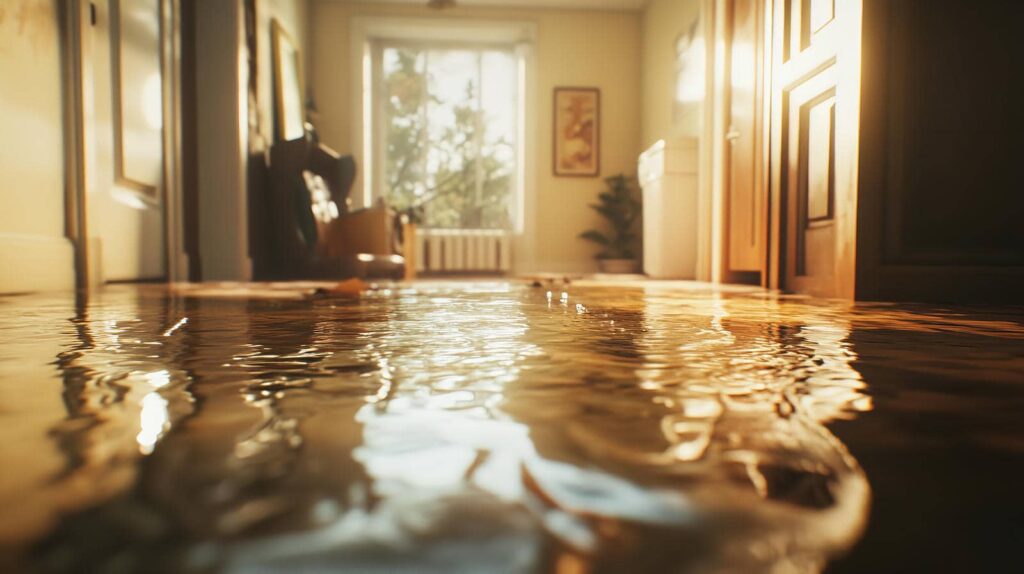
In flood damage cleanup, you must approach each situation methodically. Start by evaluating the extent of water intrusion and confirming safety precautions are in place. Effective water extraction is critical, followed by targeted drying techniques. You’ll also need to clean and sanitize all affected surfaces to prevent health risks. By mastering these essential techniques, you can greatly enhance the effectiveness of your cleanup efforts and ensure a thorough recovery. What comes next may surprise you.
Key Takeaways
- Assess the extent of water damage using moisture meters and document findings for insurance and future reference.
- Prioritize safety by wearing PPE and checking for electrical hazards or structural instability before starting cleanup.
- Use high-pressure extraction methods and portable pumps to efficiently remove standing water from affected areas.
- Implement air movement strategies and dehumidification to expedite drying of damp surfaces and prevent mold growth.
- Clean and sanitize contaminated surfaces with EPA-approved disinfectants, focusing on high-touch areas for thorough disinfection.
Assessing the Extent of Water Damage
How do you determine the true extent of water damage after a flood? Start with a thorough damage assessment.
First, identify the water level reached in each affected area. This helps you gauge the potential impact on materials and structures.
Use moisture meters to measure moisture content in walls, floors, and ceilings, allowing you to pinpoint hidden damage.
Check for discoloration or warping, as these signs indicate prolonged exposure.
Document your findings meticulously; this information is vital for insurance claims and future reference.
Remember, addressing even minor damage is important to prevent mold growth and further structural issues.
Safety Precautions Before Cleanup
After evaluating the extent of water damage, prioritizing safety is vital before starting cleanup.
Begin with hazard identification; assess the affected area for potential electrical hazards, structural instability, and biohazards like mold or sewage.
It’s important to wear personal protective equipment (PPE), including gloves, masks, and boots, to shield yourself from contaminants and injuries.
Make sure the workspace is well-ventilated to minimize inhalation risks. If you encounter hazardous materials, consult with professionals trained in handling such situations.
Always have a first aid kit on hand and keep emergency contact numbers accessible.
Effective Water Extraction Methods
Effective water extraction is essential for minimizing damage and preventing further issues like mold growth. Start by evaluating the area and determining the volume of water present.
Utilize high-pressure extraction methods to efficiently remove standing water. This technique forces water from carpets and porous materials, greatly speeding up the process.
Portable pumps are invaluable for reaching confined spaces and extracting water from hard-to-access areas. Make sure you have a variety of pump sizes on hand, as different situations may require tailored solutions.
After the bulk of the water is removed, use specialized equipment to extract residual moisture. This methodical approach safeguards the property and fosters a sense of belonging within your professional community, committed to excellence in restoration.
Drying Techniques for Affected Areas
To effectively dry affected areas after a flood, you need to implement air movement strategies and dehumidification methods.
Using fans and ventilation can greatly enhance airflow, while dehumidifiers help reduce moisture levels in the environment.
These techniques work in tandem to expedite the drying process and prevent further damage.
Air Movement Strategies
Three key air movement strategies can greatly enhance the drying process in areas affected by flood damage.
By effectively managing airflow, you can considerably reduce moisture levels.
- Utilize fans to create consistent airflow across surfaces.
- Open windows and doors to promote natural ventilation.
- Position air movers strategically to target damp spots.
Implementing these ventilation strategies helps to expedite drying.
Verify that you monitor the environment’s humidity levels to adjust your approach as needed.
Proper airflow management speeds up the drying process and reduces the risk of mold growth.
Stay methodical in your execution, focusing on efficiency and effectiveness to achieve ideal results in flood damage cleanup.
Your commitment to these techniques fosters a sense of belonging within the professional community.
Dehumidification Methods
While managing air movement is essential, dehumidification methods play an important role in drying affected areas after a flood.
You’ll want to assess the moisture levels and choose appropriate dehumidifier types, such as refrigerant or desiccant models, tailored to your specific situation. Refrigerant dehumidifiers work well in warmer environments, while desiccants excel in cooler or low-heat settings.
Set your dehumidifiers strategically to maximize moisture control; place them near water-logged surfaces for ideal efficiency. Monitor humidity levels regularly to ensure you’re achieving the desired drying effect.
Combining dehumidification with air movement techniques will enhance your overall effectiveness, helping you restore the affected areas efficiently.
Prioritize these methods to achieve thorough and lasting results in flood damage cleanup.
Cleaning and Sanitizing Contaminated Surfaces
Cleaning and sanitizing contaminated surfaces is essential after flood damage, as it helps eliminate harmful pathogens and debris that can pose health risks. Proper surface sanitization ensures a safe environment for occupants, especially those vulnerable to illness.
- Use EPA-approved disinfectants for effective contamination removal.
- Wear appropriate personal protective equipment (PPE) to safeguard yourself.
- Allow surfaces to air-dry after sanitization for ideal results.
Begin by removing visible debris, then apply the disinfectant according to manufacturer instructions. Focus on high-touch areas like doorknobs and light switches. Confirm thorough rinsing where necessary to prevent chemical residue.
Preventing Future Water Damage
To prevent future water damage, you need to implement regular maintenance checks on your property.
Inspecting roofs, gutters, and plumbing systems will help identify potential issues before they escalate.
Additionally, effective drainage solutions are essential for managing excess water and protecting your home.
Regular Maintenance Checks
Regular maintenance checks are essential for preventing future water damage, as they allow you to identify potential issues before they escalate.
Implementing preventive measures through routine inspections ensures your property remains safe and dry.
Here are key areas to focus on during your checks:
- Inspect roofs and gutters for blockages or damage.
- Examine plumbing systems for leaks or corrosion.
- Check basements and crawl spaces for moisture and mold.
Effective Drainage Solutions
Proper drainage solutions are crucial for managing water runoff and preventing future water damage.
Begin by evaluating your current drainage systems; confirm they’re functioning efficiently and free from debris. Installing flood barriers can provide additional protection against rising water levels.
Consider implementing a French drain or surface drainage solutions to redirect water away from vulnerable areas. Regularly inspect and maintain these systems to identify potential blockages or weaknesses early.
You might also explore rain gardens or permeable paving to enhance absorption and reduce runoff.
By taking these proactive steps, you’ll strengthen your property’s defenses against flooding, fostering a sense of security within your community.
Frequently Asked Questions
How Do I Determine if My Insurance Covers Flood Damage Cleanup?
To determine if your insurance covers flood damage cleanup, review your flood insurance policy. Check the coverage limits and specific exclusions, ensuring you understand what’s included for cleanup costs to avoid surprises later.
What Equipment Is Essential for Professional Flood Damage Cleanup?
You need water extraction tools like pumps and vacuums, along with drying equipment such as dehumidifiers and air movers. These essentials ensure efficient flood damage cleanup, helping you restore properties effectively and maintain a sense of community.
How Can I Find Reliable Flood Damage Restoration Professionals?
Picture water-soaked walls and damaged floors; to find reliable restoration pros, tap into referral sources, then initiate a thorough vetting process. Check credentials, reviews, and past work to ensure your choice is sound.
What Are the Long-Term Health Effects of Mold From Flood Damage?
Mold exposure can cause respiratory issues, allergies, and other health problems. You should implement mold prevention strategies and utilize mold remediation techniques promptly to minimize risks, ensuring a healthier environment for you and your loved ones.
How Should I Document Flood Damage for Insurance Claims?
You’ll want to document every nook and cranny of damage with photos and notes, ensuring your damage assessment is thorough. This’ll make the claim process smoother, turning your disaster into a path for reimbursement.
Wrap-Up
Mastering crucial flood damage cleanup techniques ensures effective restoration and safety. For instance, consider a scenario where a commercial facility faced severe flooding; by promptly evaluating the damage, employing high-pressure extraction, and then implementing dehumidification, they reduced recovery time greatly. By following these systematic steps, you protect property and safeguard the health of occupants. Remember, thorough cleanup and preventive measures are essential for long-term resilience against future water damage.