
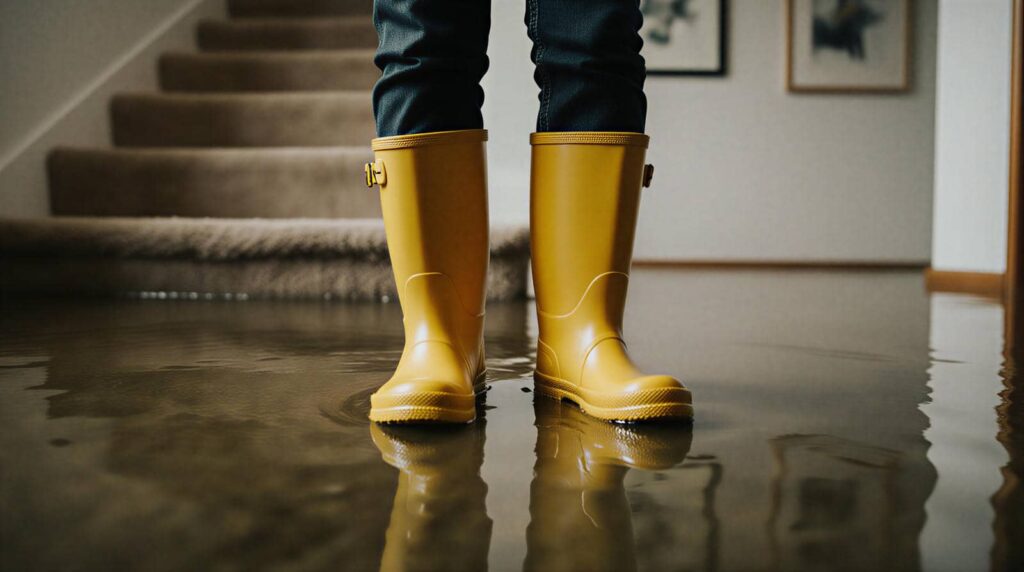
When facing the aftermath of a flood, you need to approach restoration methodically. The first step is evaluating the damage to determine what can be saved. Next, swift water removal is vital to prevent further deterioration. Finally, the flood restoration phase requires careful planning and collaboration with professionals. Understanding these steps can make a significant difference in your recovery process. But what happens when you encounter unexpected challenges along the way?
Key Takeaways
- Assess and document all damage to identify affected areas and items for effective restoration planning.
- Swiftly remove water using pumps or wet vacuums to prevent further damage and initiate drying.
- Begin repairs by removing damaged materials and contacting insurance to understand coverage options.
- Implement measures to prevent future flooding, such as improving drainage and installing barriers.
- Seek emotional support and allow time for healing during the recovery process.
Assessing the Damage
When you face the aftermath of a flood, evaluating the damage is essential for effective restoration.
Start by documenting everything—take photos of affected areas and make lists of damaged items. This damage evaluation helps you understand the extent of the destruction and supports your insurance claims.
You’ll want to identify structural issues, such as compromised walls or flooring, as these can pose safety risks.
Don’t overlook personal belongings that may be salvageable; this process can be emotionally challenging, as each item often holds memories.
Water Removal and Drying
Swiftly removing water from your home is vital to prevent further damage and mold growth.
Begin with effective water extraction methods; using pumps or wet vacuums can greatly reduce standing water. It’s imperative to act quickly, as every minute counts.
After extraction, focus on drying techniques—fans, dehumidifiers, and open windows work wonders in promoting airflow. Confirm all affected areas are thoroughly dried, including carpets and drywall, to eliminate moisture pockets that could foster mold.
Remember, it’s not just about drying the visible areas; hidden spaces can harbor dampness.
Repair and Restoration
Once water removal and drying are complete, the focus shifts to repair and restoration, which are critical for returning your home to its pre-flood condition.
You’ll want to approach this phase with care, ensuring every detail is addressed to create a safe and welcoming space again.
Here are four key steps to reflect upon:
Assess Damage: Identify areas needing repair, from drywall to flooring.
Contact Property Insurance: Notify your insurer about the damage to understand your coverage options.
Begin Flood Cleanup: Remove damaged materials and sanitize affected areas to prevent mold growth.
Schedule Repairs: Engage professionals for structural repairs and renovations, ensuring quality work.
With careful planning and execution, you can restore your home and regain a sense of belonging.
Frequently Asked Questions
How Can I Prevent Future Flooding in My Home?
To prevent future flooding in your home, consider implementing effective drainage solutions and making landscaping modifications. These proactive steps can redirect water away, protect your property, and create a safer, more inviting environment for everyone.
What Insurance Coverage Should I Have for Flood Damage?
Imagine standing in a storm’s eye, unprotected. You’ll want thorough flood insurance, including policy options like building and contents coverage, ensuring you’re safeguarded against unexpected water damage. It’s essential for your peace of mind.
Are There Specific Safety Precautions During Flood Restoration?
During flood restoration, you should always wear safety gear like gloves and boots, and be cautious of electrical hazards. Stay vigilant, as risks can arise unexpectedly, and prioritize your safety to protect yourself and others.
How Long Does the Flood Restoration Process Typically Take?
The flood restoration timeline usually ranges from days to weeks, depending on damage severity. Utilizing effective drying techniques can expedite the process, helping you regain your space and peace of mind sooner than you think.
What Should I Do With Contaminated Items After a Flood?
You should carefully assess contaminated items for disposal methods. Prioritize safety by wearing protective gear, then follow local guidelines for hazardous waste. Document items for insurance claims, ensuring you’re supported throughout this challenging process.
Final Thoughts
Effective flood restoration hinges on three crucial steps: evaluating the damage to understand what can be saved, removing water swiftly to halt further deterioration, and initiating repairs to bring your home back to life. By focusing on these actions, you safeguard your property while protecting your peace of mind. Remember, each step is a building block toward recovery, ensuring your home is restored, and revitalized for the future.