
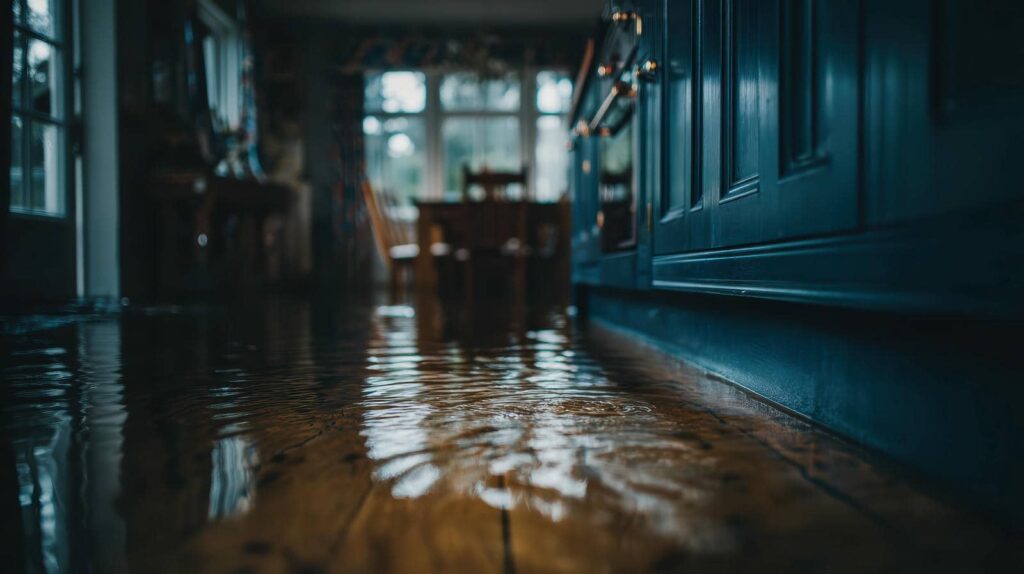
When it comes to flood damage cleanup, efficiency is key. You’ll want to start with immediate water extraction techniques to minimize damage. Next, implementing effective drying methods can greatly reduce the risk of mold. Finally, applying strategic mold prevention measures will safeguard your work. Understanding these three fast techniques can make all the difference in a successful cleanup operation. Let’s break them down further to enhance your approach.
Key Takeaways
- Initiate emergency response by assessing the affected area and identifying the extent of water damage.
- Use submersible pumps for rapid removal of large volumes of water, followed by wet/dry vacuums for smaller areas.
- Clear debris and obstacles to improve water extraction efficiency and ensure safety during cleanup.
- Enhance drying by strategically placing high-capacity fans and dehumidifiers to reduce humidity levels.
- Implement mold prevention strategies, including immediate removal of wet materials and monitoring indoor humidity below 60%.
Immediate Water Extraction Methods
When a flood strikes, immediate water extraction is imperative to minimize damage and prevent mold growth. Your first step is to initiate an emergency response by evaluating affected areas.
Use submersible pumps for significant water removal, ensuring you follow safety protocols. If you’re dealing with smaller amounts, wet/dry vacuums work effectively. It’s essential to clear debris to enhance water removal efficiency.
Confirm you wear protective gear to safeguard against contaminants. If possible, ventilate the area to expedite drying. Document the damage for insurance claims, capturing photos before any cleanup.
Effective Drying Techniques
After completing the water extraction process, the next essential step is drying the affected areas thoroughly to prevent further damage, especially mold growth.
To achieve effective drying, prioritize air circulation. Use high-capacity fans and dehumidifiers to enhance airflow and reduce humidity levels. Place fans strategically to direct airflow across wet surfaces, ensuring moisture evaporates efficiently.
Additionally, conduct moisture measurement using a hygrometer to monitor humidity levels in both the air and materials. This will help you determine when the area is adequately dried.
Mold Prevention Strategies
To prevent mold growth in the aftermath of flooding, it’s crucial to act swiftly and implement strategic measures.
Start by ensuring thorough moisture control; use dehumidifiers to maintain indoor humidity levels below 60%. Remove any wet materials promptly, as they can serve as breeding grounds for mold.
Inspect hidden areas like behind walls and under carpets, addressing potential moisture issues immediately. Consider using mold inhibitors during cleanup for added protection.
If mold is already present, engage in professional mold remediation to safely eliminate it and prevent recurrence.
Regularly monitor high-risk areas, such as basements and attics, and maintain a proactive approach to moisture management.
Frequently Asked Questions
What Safety Gear Should I Wear During Flood Cleanup?
During flood cleanup, wear safety goggles, gloves, and waterproof boots. Use masks to avoid inhaling contaminants. These protective equipment choices ensure your safety and help you effectively manage the hazards present in flooded areas.
How Do I Assess Structural Damage After Flooding?
To assess structural damage after flooding, you’ll use flood assessment techniques like visual inspections, measuring moisture levels, and checking for cracks. Conduct a structural integrity evaluation to ensure safety before re-entering the building.
Are There Specific Tools Required for Flood Cleanup?
You’ll need essential equipment like heavy-duty pumps, industrial vacuums, and moisture meters for efficient flood cleanup. These specialized flood cleanup tools make a world of difference in restoring affected areas quickly and effectively.
How Can I Document Damage for Insurance Claims?
You should take clear damage photos from multiple angles, documenting each affected area. Organize them chronologically, as this will streamline the claim process and strengthen your case with the insurance company.
What Are Common Mistakes to Avoid During Flood Cleanup?
Avoid rushing the cleanup, as hasty decisions can lead to common hazards like mold. Prioritize safety, document cleanup timelines, and ensure you’ve addressed all damage thoroughly to protect your health and insurance claims.
Final Thoughts
In flood damage cleanup, time is of the essence. By utilizing submersible pumps and wet/dry vacuums, you can effectively extract water, while high-capacity fans and dehumidifiers will enhance drying. Remember, “an ounce of prevention is worth a pound of cure.” By promptly removing wet materials and applying mold inhibitors, you safeguard against future issues. Implement these techniques to ensure a swift, thorough cleanup, protecting both property and health in the aftermath of flooding.