
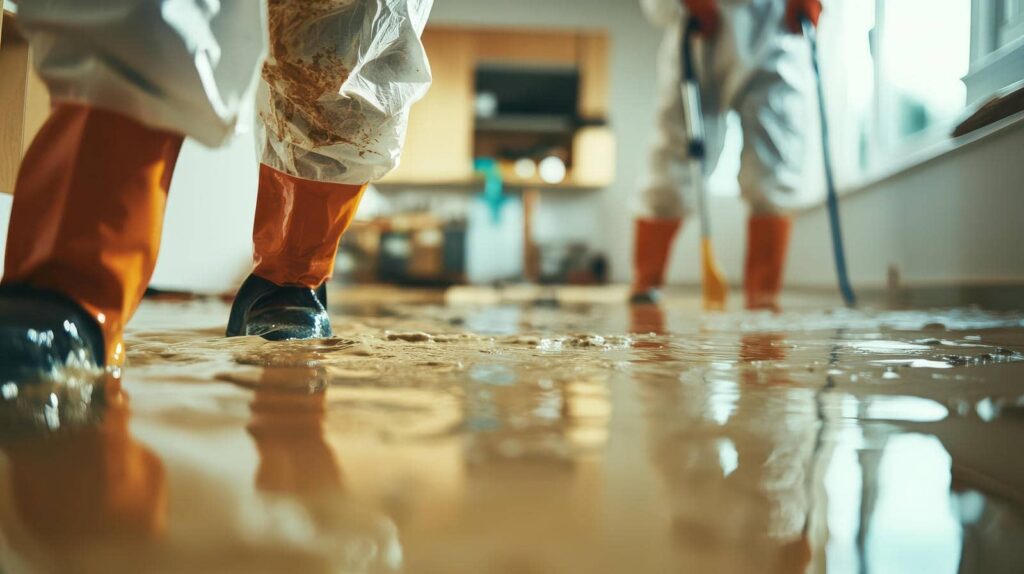
When floods strike, you need to act quickly to minimize damage. Knowing the best emergency water removal techniques can make a significant difference in recovery. From using pumps to employing wet/dry vacuums, each method has its purpose and effectiveness. Additionally, creating airflow and monitoring for mold growth are critical steps. Understanding these strategies can empower you to tackle the aftermath efficiently—let’s explore the essential techniques that can aid in your flood recovery efforts.
Key Takeaways
- Utilize submersible pumps for efficient extraction of standing water from flooded areas, ensuring they are properly sized for the task.
- Employ wet/dry vacuums to remove smaller amounts of water, focusing on suction power and tank capacity for effective results.
- Create airflow with high-velocity fans to promote evaporation and drying in affected areas, positioning them for optimal circulation.
- Use portable generators to power water removal equipment during outages, ensuring they are appropriately sized for the demands of the tools.
- Regularly monitor and empty vacuum tanks and dehumidifiers to maintain their performance and prevent clogs or overflow.
Assessing the Flood Damage
When you’re faced with flood damage, evaluating the extent of the impact is essential for effective recovery. Start with a thorough flood evaluation, identifying affected areas and materials.
Document visible damage, such as warped flooring, stained walls, and damaged furniture. Use a moisture meter to measure moisture levels in walls and floors, as hidden damage can lead to mold growth.
Prioritize areas with electrical systems or appliances, as these can pose serious hazards. Conduct a damage appraisal to determine what’s salvageable and what needs replacement.
This process not only helps in filing insurance claims but also guides your recovery efforts. By systematically evaluating the damage, you empower yourself to make informed decisions and restore your environment efficiently.
Safety Precautions to Take
Before you start water removal, prioritize your safety by using personal protective equipment (PPE) like gloves and boots.
Confirm all electrical systems are deactivated to prevent shock hazards while you work.
Taking these precautions will help you manage the situation effectively and safely.
Personal Protective Equipment
Proper use of personal protective equipment (PPE) is crucial for guaranteeing safety during emergency water removal operations.
You must prioritize wearing appropriate protective gear, including waterproof boots, gloves, and masks, to shield yourself from contaminants and hazardous materials.
Safety clothing, such as coveralls or high-visibility vests, is important for maintaining visibility and protection in flooded areas.
Verify your PPE fits correctly, as ill-fitting gear can compromise your safety and mobility.
Always inspect your equipment for damage before use, and replace any worn or defective items immediately.
By adhering to these guidelines, you not only protect yourself but also contribute to a safer environment for everyone involved in the emergency response efforts.
Your safety is paramount—don’t take shortcuts.
Electrical Safety Measures
After ensuring your personal protective equipment is in place, addressing electrical safety is a top priority during emergency water removal.
Begin by turning off the main power supply to avoid electric shock. Use water-resistant equipment designed for wet environments, ensuring it complies with safety standards.
Confirm that circuit protection devices, like GFCIs, are functioning properly to minimize risks. Avoid using electrical tools or appliances in flooded areas until they’ve been inspected.
If you must work near water, use insulated tools and wear rubber-soled boots for added protection.
Remember, it’s essential to assess the area for submerged electrical lines before proceeding.
Using Pumps for Water Removal
When faced with water damage, utilizing pumps for removal can greatly expedite the process.
Submersible pumps are highly effective for extracting water from flooded areas, as they operate underwater, reducing the risk of electrical hazards. These pumps can handle large volumes of water, making them ideal for severe flooding situations.
To power these pumps, you may need portable generators, especially in areas with power outages. Confirm your generator is properly sized to support the pump’s electrical needs.
Always follow safety protocols when operating pumps and generators, including keeping them on dry ground and away from water sources.
Employing Wet/Dry Vacuums
Wet/dry vacuums are essential tools for efficiently managing minor to moderate water removal tasks. When selecting a wet/dry vacuum, consider features like tank capacity, suction power, and filter type to guarantee you choose the right model for your situation.
Begin by evaluating the area, and use effective vacuuming techniques, starting with the edges and working your way in. This method helps prevent water from pooling in untouched areas. Always keep the vacuum nozzle low to maximize suction efficiency.
Regularly empty the tank to maintain performance and avoid clogs. By mastering these techniques, you can effectively reduce water damage and restore your space, fostering a sense of accomplishment and community in tackling flood challenges together.
Utilizing Sump Pumps
Sump pumps are vital for effective water removal during emergencies, and understanding their types is fundamental for selecting the right one for your needs.
Proper installation techniques guarantee peak performance, while regular maintenance can prevent future issues.
Additionally, knowing how to troubleshoot common problems can save you time and money when facing water emergencies.
Types of Sump Pumps
Although you may not realize it, choosing the right type of sump pump can greatly impact your home’s water removal efficiency.
Two primary types are available: submersible pumps and pedestal pumps.
Submersible Pumps: These are installed underwater in the sump basin, making them more efficient and quieter.
Pedestal Pumps: Positioned above the sump, they’re easier to access for maintenance but can be noisier and less efficient in water removal.
Power Options: Consider electric vs. battery-operated pumps based on your needs and local power reliability.
Understanding these options allows you to select the best sump pump for your situation.
Proper Installation Techniques
When installing a sump pump, ensuring proper placement and connection is essential for ideal performance.
Start by selecting appropriate installation materials, such as a sturdy sump basin and durable discharge pipe. Dig a hole that’s slightly larger than the basin, and position the pump at the lowest point of your basement to effectively collect water.
Use reliable installation techniques, like sealing joints with waterproof adhesive, to prevent leaks. Connect the discharge pipe to direct water away from your foundation, and make sure it’s elevated to avoid backflow.
Finally, test the pump by pouring water into the basin; it should activate and drain efficiently. By following these steps, you’ll enhance your home’s flood defense system and foster a sense of security.
Maintenance and Troubleshooting Tips
To keep your sump pump functioning efficiently, regular maintenance and troubleshooting are essential. Implementing preventive maintenance can save you from costly repairs and guarantee your pump operates when you need it most.
Here are some key tips:
Inspect the pump regularly: Check for debris or clogs that could hinder operation.
Test the float switch: Make sure it moves freely and activates the pump as intended.
Check the power source: Confirm the pump is plugged in and the circuit is functioning.
If you encounter issues, use these troubleshooting methods: listen for unusual noises, watch for signs of overheating, and confirm the discharge line is clear.
These steps can help you maintain your sump pump’s reliability during emergencies.
Implementing Water Absorbent Materials
Implementing water absorbent materials can dramatically enhance your emergency water removal efforts. These materials, such as super absorbent polymers and specialized fabrics, effectively draw moisture away from surfaces.
When used in conjunction with flood barriers, they can greatly reduce water damage by preventing infiltration into critical areas. Positioning absorbent mats and pads in strategic locations helps you tackle standing water quickly, making the cleanup process more efficient.
Additionally, consider using absorbent booms to contain water in specific zones, facilitating targeted removal. Remember, the right combination of absorbent materials not only aids in immediate response but also contributes to long-term recovery by minimizing the risk of mold and structural damage.
Your proactive measures make a difference in safeguarding your environment.
Creating Airflow for Drying
To effectively dry out a water-damaged area, you must create ideal airflow.
Use fans efficiently to circulate air, and open windows strategically to enhance ventilation.
Additionally, utilizing dehumidifiers effectively will help remove moisture from the air, accelerating the drying process.
Use Fans Efficiently
While you may have removed the bulk of water from your space, maximizing airflow with fans is essential for effective drying. Proper fan placement and airflow direction can greatly enhance the drying process.
Position fans to create a cross breeze, directing air towards damp areas.
Use high-velocity fans to circulate air efficiently and speed up evaporation.
Keep doors open to facilitate airflow, allowing fresh air to replace the humid air.
Open Windows Strategically
Maximizing airflow isn’t just about using fans; strategically opening windows can greatly aid the drying process. By employing effective flood window positioning, you can create cross-ventilation that accelerates evaporation.
Start by identifying windows on opposite sides of the affected area. Open these to establish a direct path for air circulation. If it’s safe, adjust the windows to different heights; this enhances airflow dynamics, allowing stale, damp air to escape while drawing in fresh air.
Remember to monitor outdoor conditions; avoid opening windows during high humidity or heavy rainfall, as this can hinder your efforts.
Implementing these air circulation strategies not only helps dry your space but also minimizes the risk of mold growth, fostering a healthier environment for you and your family.
Utilize Dehumidifiers Effectively
Dehumidifiers play an essential role in the water removal process, especially when it comes to creating airflow for drying.
Proper dehumidifier placement is vital to efficiently manage humidity control. Here are some tips to maximize their effectiveness:
Position near wet areas: Place dehumidifiers close to the water-logged sections to draw moisture directly from the source.
Ensure airflow: Keep the space around the dehumidifier clear, allowing for ideal air circulation and faster drying.
Adjust settings wisely: Use the continuous mode for maximum moisture extraction, especially in heavily affected areas.
Removing Damaged Materials
As water damage can lead to mold growth and structural issues, promptly removing damaged materials is vital. Start by identifying affected items such as drywall, carpeting, and insulation.
Use effective removal techniques like cutting out compromised sections and lifting flooring to expose underlying damage. It’s important to wear protective gear during this process to guarantee your safety.
Once materials are removed, focus on proper disposal methods. Follow local regulations for disposing of hazardous materials, and consider recycling options for non-contaminated items.
Documenting the damage can also be beneficial for insurance claims. By addressing damaged materials quickly and efficiently, you’ll help prevent further issues and create a safer environment for yourself and your community.
Disinfecting Affected Areas
Once you’ve removed damaged materials, it’s crucial to disinfect the affected areas to eliminate any remaining contaminants and prevent mold growth.
Start by focusing on disinfecting surfaces that came into contact with floodwaters. Use a mixture of water and appropriate disinfectant, following the manufacturer’s guidelines for effectiveness.
Don’t forget to sanitize equipment too; this guarantees you’re not reintroducing contaminants during the cleanup process.
- Wear protective gear to keep yourself safe.
- Pay special attention to corners and hidden areas where moisture can linger.
- Allow surfaces to air dry completely after disinfecting for maximum effectiveness.
Monitoring for Mold Growth
Although you’ve taken steps to disinfect and dry out affected areas, monitoring for mold growth is essential to guarantee your space remains safe and healthy.
Regularly inspect hidden spots like under sinks, behind walls, and in basements, where moisture can linger. Utilize mold prevention strategies such as maintaining low humidity levels and ensuring proper ventilation.
Keep an eye out for any signs of mold, including musty odors or discoloration. If you detect mold, act quickly with effective mold remediation techniques to prevent further spread. This may involve using commercial mold removers or enlisting professionals if the infestation is extensive.
Consistent monitoring not only secures your environment but also fosters a sense of belonging in a safe and healthy space.
Frequently Asked Questions
What Are the Costs Associated With Professional Water Removal Services?
The costs for professional water removal services typically include a cost breakdown for labor, equipment, and materials. When you compare services, consider the scope of work, response time, and customer reviews to guarantee value.
How Long Does It Typically Take to Dry Out a Flooded Area?
Typically, it takes 24 to 48 hours to dry out a flooded area. Effective drying methods, like dehumidifiers and fans, greatly reduce drying time, ensuring your space returns to normal quickly and comfortably.
Can I Use Regular Household Fans for Drying After a Flood?
Yes, you can use regular household fans for drying after a flood. However, their effectiveness may be limited compared to specialized equipment. Combining fans with other drying techniques can enhance overall moisture removal considerably.
What Insurance Coverage Is Available for Flood Damage?
You can explore flood insurance for extensive coverage options, including structure repair and personal property loss. Review your policy carefully to understand limits, exclusions, and additional endorsements to guarantee adequate protection against flood damage.
Should I Keep My Pets Away During the Cleanup Process?
Yes, you should keep your pets away during the cleanup process. Ensuring pet safety is essential, as hazardous materials and equipment may pose risks. Taking appropriate cleanup precautions protects both your pets and your health.
Summary
In flood recovery, taking swift action is key to minimizing damage. By utilizing techniques like pumps and wet/dry vacuums, you can tackle water removal effectively. Don’t overlook the importance of airflow and dehumidifiers; they’re your best friends in drying out affected areas. Remember, staying vigilant against mold growth is essential. As the saying goes, “a stitch in time saves nine,” so keep your focus sharp and follow these emergency techniques to guarantee a successful recovery.